Archive for August 3, 2025

July 9, 2025

Posted: August 3, 2025 in Uncategorized
Tags: , , , ,

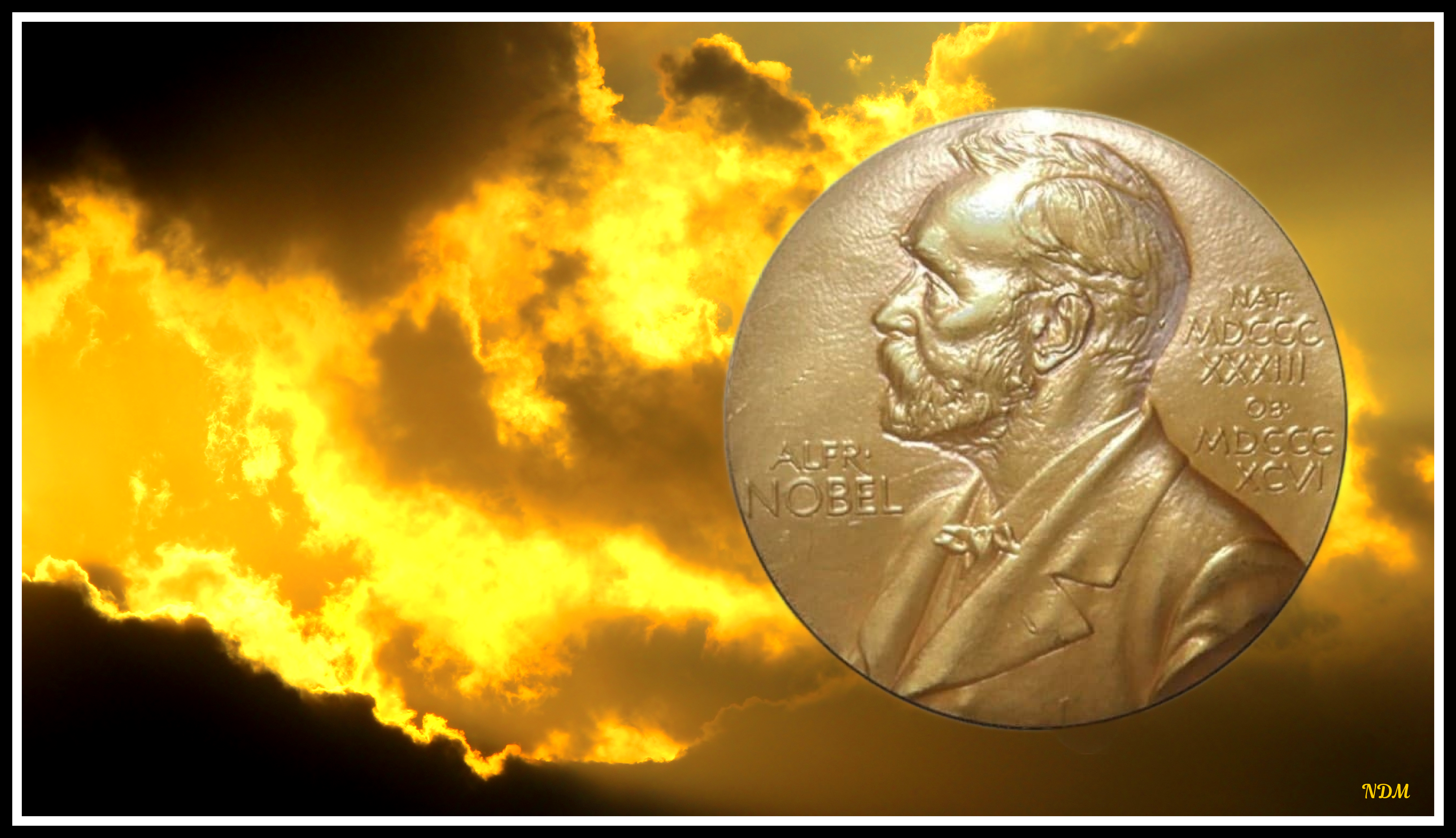
So, Benjamin Netanyahu is reportedly nominating Donald J. Trump for the Nobel Peace Prize. Because of course he is. What better way for Bibi to flatter his own ego while distracting from his horrific international reputation.

The rationale? Supposedly because of the Abraham Accords, a set of diplomatic agreements signed in 2020 during Trump’s first presidency, normalizing relations between Israel and a few Arab nations: the UAE, Bahrain, Morocco, and Sudan. These were significant steps, no doubt. But let’s not kid ourselves, they came with arms deals, the complete sidelining of the Palestinian people, and the distinct whiff of transactional diplomacy. The ink wasn’t even dry before Trump turned the moment into a 2020 campaign asset and Netanyahu used it to flex before an audience of increasingly uneasy Israeli voters. Fast forward to 2025.

Now, before anyone panics: this nomination isn’t for this year’s Peace Prize, unless Netanyahu managed to quietly submit it before the January 31 deadline, which no one seems to believe he did. That means we’re likely talking October 2026. So, deep breath. You’ve got time to be disillusioned in stages.

Previously every time Trump’s name got mentioned in the same breath as the Peace Prize I’d feel my blood pressure spike. It offended me, not just politically, but morally. The very idea that a man who actively undermined alliances, courted despots, mocked the international order, and fanned the flames of domestic insurrection could receive that prize? It felt obscene.

But something has shifted. And it’s not because I’ve become indifferent to peace. Quite the opposite, it’s because I care so deeply about the concept of peace that I’ve decided not to look for its validation in the Nobel.

Let’s talk about the rules for a second. The Nobel Peace Prize, according to Alfred Nobel’s will, should go to the person or organization that has done “the most or the best work for fraternity between nations, the abolition or reduction of standing armies, and the holding and promotion of peace congresses.” That’s a noble goal. But in practice? The rules are discretionary. There’s no official short list, no vetting of criminal records, no requirement for lasting peace, just significant action that someone, somewhere, thinks nudged the world in the right direction.

Eligible nominators include members of national parliaments, heads of state, university professors, and past laureates. Netanyahu, as a sitting prime minister qualifies. And if the committee wants to take it seriously, they can. Or they can file it under “we’ll pretend to read this later” and move on.

But here’s where it shifts for me. Because if this nomination is what it takes to get Trump back onside with supporting Ukraine then I’m not sure I care about the price of that bribe. Because today Trump reversed course and endorsed continued U.S. weapons aid. If dangling a gold medallion in front of him helps even a little in resisting Putin’s bloodlust, fine. Let him have the shiny object.

Because the truth is, the Peace Prize has already been handed to people with long shadows. Henry Kissinger, and Yasser Arafat, and really even Barack Obama win was aspirational more than earned. The award has always been half idealism, half geopolitics. Sometimes it celebrates courageous changemakers. Other times it gets used to slap a sauve on a festering wound and call it healing. So if that’s the game, I’m not going to rage at the players anymore.

I used to think the prize itself stood for something unshakable. But peace is not a PR strategy, and we cheapen it when we hand out accolades like participation medals in a global ego contest. So if Trump wants a Nobel to cap his legacy, let him chase it. If it keeps him vaguely pointed in the direction of global cooperation, fine. Everyone’s got their own fight to fight. And I’m not going to fight over this one.

Because here’s where I’ve landed: I’m not shocked anymore. I’m not angry. I’m not even disappointed. I’m done caring. The Nobel Peace Prize? It just doesn’t mean anything. And whether Trump wins it or not? It has no bearing on the things I actually care about, like whether people are still dying in Gaza, or if Ukraine gets shelled into a crater, or if children anywhere have to grow up in rubble.

Give him the prize. Wrap it in velvet. Let him hang it in Mar-a-Lago next to a fake Time Magazine cover. If it shuts him up and slows the march to another war, I’m good with that. Because in the grand scheme, whether he wins it or not is just not the most important thing to me anymore. Peace is. Not props. Not pageantry. As for the signficance of this medal. Maybe it once stood for something but now I question that and I’m fine if they give it to whoever needs it to behave, like the promised treat if the tantrum stops. If it keeps the missiles grounded and the egos quiet, hand it over and move on. I just can’t waste my energy on this one. Not when there are actual lives at stake elsewhere. Not when the prize itself has already been gamified. Not when the possibility is that someone behaves better just because they want a sticker.
Are You There, God? It’s Me Nancy.

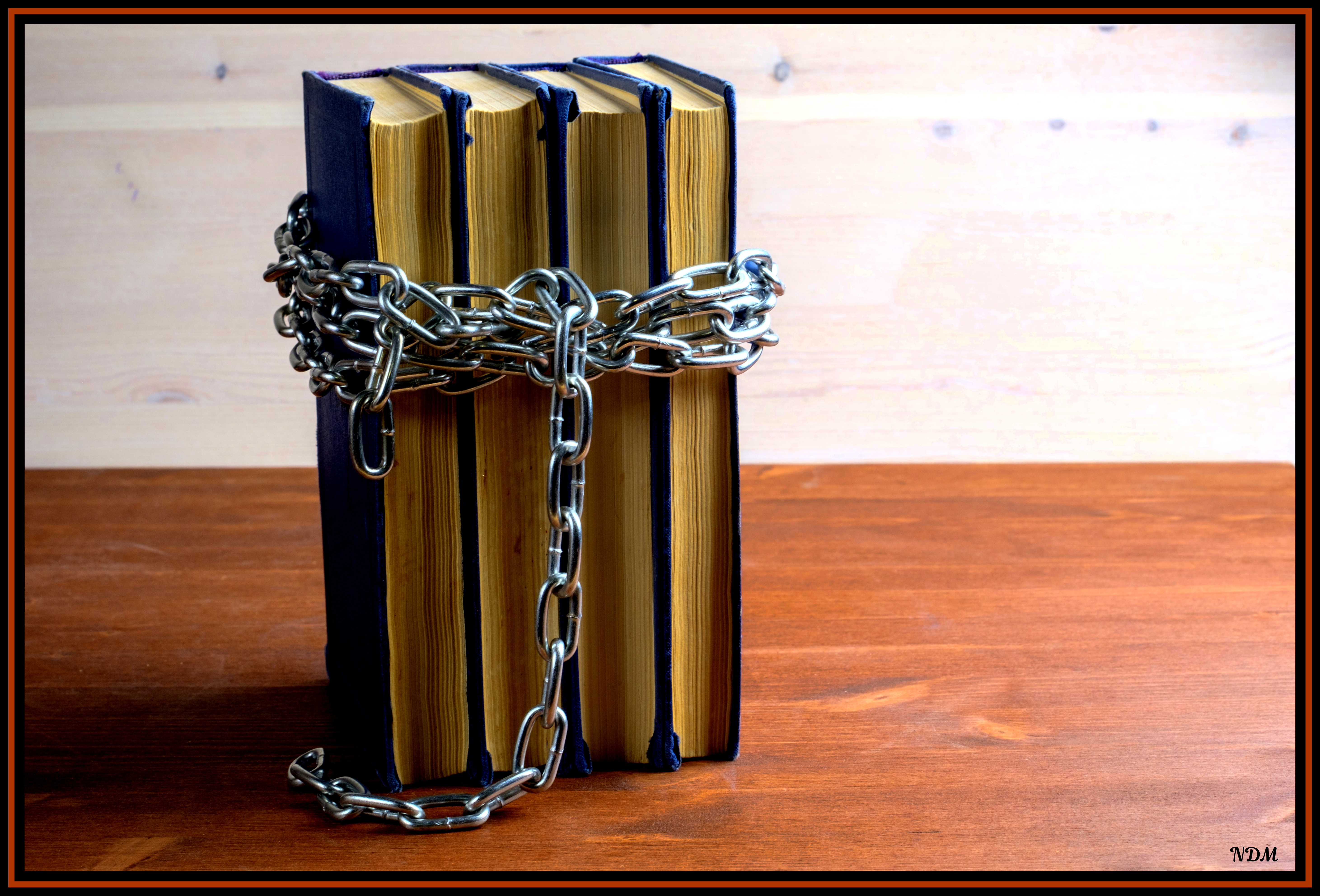
While Alberta is the current battleground, this isn’t just a provincial issue. What’s happening here is part of a much larger movement. A deliberate push to drag us back to some imagined “better time” the kind of sanitized, patriarchal past that Donald Trump has built his entire political brand around. And now that same “make it great again” mindset is leaking north, into our schools, our politics, and even our school libraries.

There are a number of books I grew up with, and still hold close, that are now somehow in question. And honestly? I find that profound. Disturbing. Even dystopian.

Harry Potter is under attack. A Wrinkle in Time is “controversial.” To Kill a Mockingbird and Of Mice and Men, classics that exposed racism, poverty, and injustice, have been yanked off shelves in libraries across North America. And The Handmaid’s Tale? Honestly, that probably belongs in Social 30 as mandatory reading. It’s hardly even fiction anymore.

But the one that hits me hardest? Are You There God? It’s Me, Margaret. by Judy Blume. That book was my coming-of-age manual. It talked about things like puberty, periods, insecurity, bras, boys, and yes, even questioning religion. It was honest and awkward and wonderful. And it made me feel seen. I can’t imagine my pre-teen years without it. I also can’t imagine that the millions of people who read it somehow turned into deviants just because it dared to mention menstruation.

And yet, here we are. A time when books that deal with real experiences, LGBTQ+ identity, racial injustice, gender roles, trauma, faith, are being framed as threats. Not discussed. Not debated. Just… banned. There are books being targeted simply because they reference homosexuality. For some, that’s apparently enough to warrant removal from a library shelf. So I guess we should also be pulling the Bible out of schools too? I mean, if we’re banning things with sex, violence, and controversial ideas, it fits the bill. No?

I used to think this kind of censorship only happened in movies. In places far away. In ultra-conservative, evangelical Southern U.S. towns where dancing wasn’t allowed. You know, Footloose territory. But I live in Canada, well specifically Alberta. And lately, it’s starting to feel like I’m living in that very script, only this time, it’s real. Policies are being drafted. School boards are being pressured. Ministers of Education are drawing lines. Librarians are afraid.

And students? They’re being told that their realities are “too political” or “too inappropriate” to exist in print. I’ve used the phrase “evangelical right” more than once. Maybe that needs some nuance. Maybe not. Because when you strip away the branding, the strategy is clear: control the narrative, limit access to ideas, and silence anything that doesn’t fit the worldview.

The quiet but powerful Christian nationalist network in the US has influence stretching from Washington to local school boards. Throw in a little Dominionism, sprinkle in some Take Back Alberta, and voilà, you’re not in Footloose anymore. You’re in something far more organized right here in Alberta.

Let me tell you a story. I remember being about 12 or 13, and my parents, clearly uncomfortable having “the talk” handed me and my sister this four-volume set called the Life Cycle Library. Picture it: early 1970s, plain soft covers, cartoon illustrations of intercourse (not live action, don’t panic), and honest, clinical information about bodies, puberty, and yes, sex. It even gently touched on homosexuality.

This was over 50 years ago. In a conservative (Red Tory) household. And it was fine. It wasn’t shameful. It wasn’t corrupting. It was information. And it was given with trust that we could read it, think about it, and maybe even ask questions. That’s what books do. They inform. They stretch your understanding. They make awkward things a little less scary. And sometimes, they make you feel like you’re not alone.

When I was a kid, I devoured books. Not just Judy Blume or L.M. Montgomery, I read Dale Carnegie at 9 and was knee-deep in a medical conspiracy book called World Without Cancer by 12. Maybe that wasn’t typical. But the point is: I wasn’t censored, and I turned out okay. Mostly.

This isn’t a fringe debate anymore, it’s at our school board meetings, our provincial legislature, and our kitchen tables. It’s here. Now we have education ministers making sweeping declarations about which books don’t belong in schools. No clarity. No context. Just vague threats and moral panic. I don’t even know which of these “offending” books are actually in the schools and libraries. Is this a real purge or just political performance art? Either way, it’s dangerous. And it’s happening here.

If we don’t stand up for the right to read, the right to think, someone else will decide for us what our children aren’t allowed to know. If you’re scared of kids reading about periods or pronouns, maybe the problem isn’t the books. Maybe it’s the people banning them. Because this was never about protecting kids. It’s about controlling them. And once you start banning books, what you’re really banning is empathy, perspective, and truth.

That’s not moral leadership. That’s authoritarianism.