


I spent most of today doing what many of you did. Watching, listening, reading, waiting. Hours of coverage. A long meeting between Donald Trump and Volodymyr Zelensky. Calls with European leaders. Percentages tossed around like breadcrumbs. 80 percent, 90 percent, 95 percent. And at the end of it all, I am left with the same question I started with. What actually changed? The short answer is not much.
Yes, the tone between the United States and Ukraine was better. That’s important. Yes, the conversations sounded serious and professional. That’s important too. And yes, Europe appears more firmly in the room than it has been before. All of that is positive.
But tone is not leverage and conversation is not consequence.
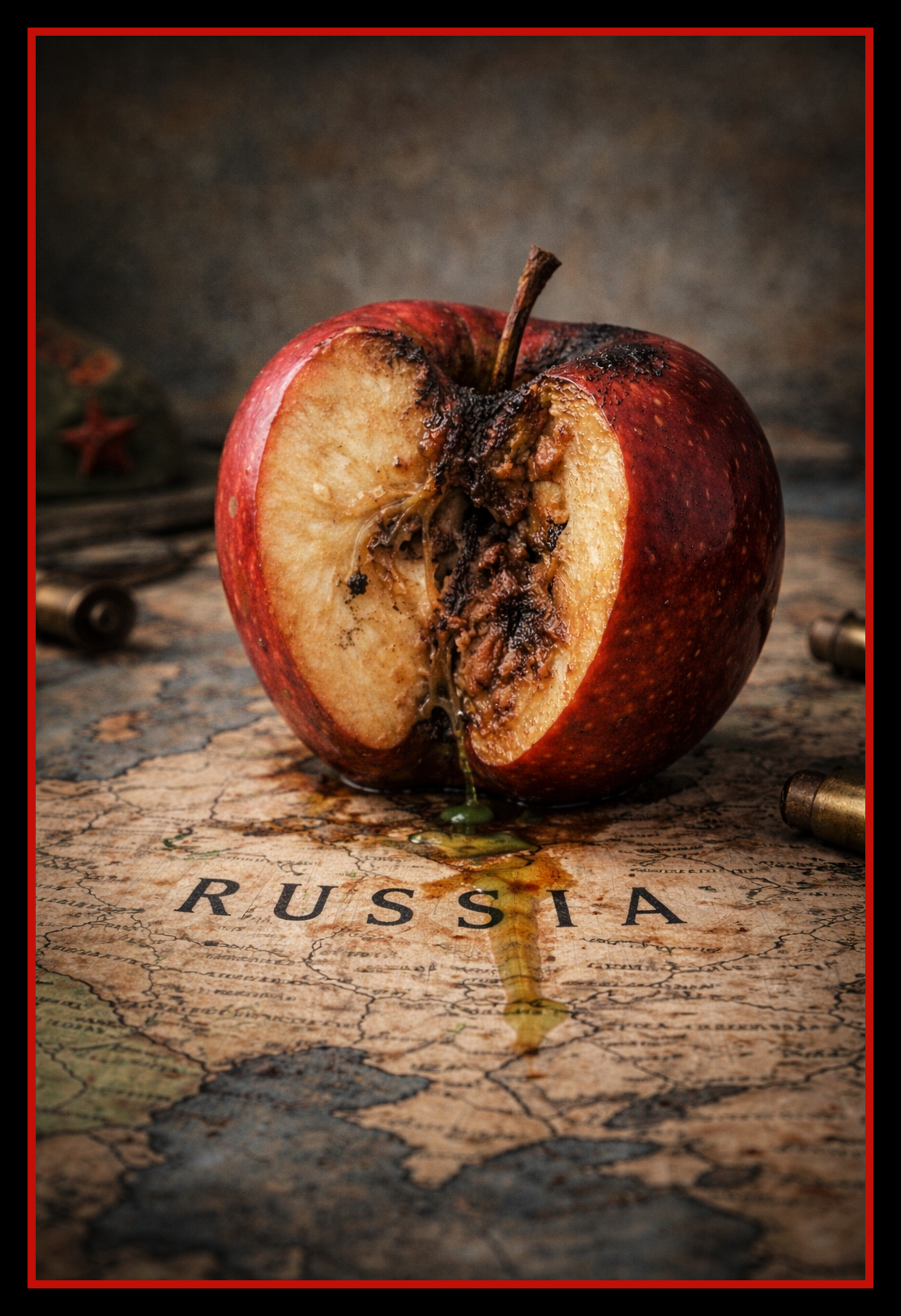
All the optimism in the world does not end wars. What stood out for me today is likely not what stood out for others. It was when Donald Trump drifted into reminiscing about how he once had been, in his own words, the apple of Vladimir Putin’s eye.
I actually laughed, and then immediately stopped. Because that phrase is not about diplomacy. It was rather about him being cherished, favoured and special. And in geopolitics, wanting to be someone’s prized apple can be dangerous, especially when the orchard is poisoned.
While Trump spoke nostalgically about lost status, Russia provided messaging that hasn’t changed throughout this war. Rejecting a ceasefire, rejecting meaningful security guarantees and continuing to bomb civilian and energy infrastructure. Kyiv left without heat in winter. That is not a negotiating partner signalling compromise. That is a regime signalling confidence.
Throughout the press conference, we heard a great deal about “progress,” but very little about pressure. Trump ultimately acknowledged that Vladimir Putin will not agree to a ceasefire, and then effectively accepted that reality. When asked what happens if talks fail, the answer was blunt. The fighting continues. People keep dying. What was missing was any indication that new consequences would follow. And that is the crux of the problem. Diplomacy without leverage is not diplomacy. It is just another working lunch followed by a press conference.
Ukraine has shown flexibility. President Zelensky has been clear and careful about what is possible and what is not. Land concessions cannot be made casually or unilaterally. Millions of Ukrainians are displaced across Europe. Any referendum requires time, infrastructure, and safety. That is not obstinacy. That is constitutional reality. Russia, meanwhile, has not moved. Not on Donbas, not on NATO, not on security guarantees and not on a ceasefire.
So when we hear “95 percent done,” we have to ask. Done with what, exactly? The hardest issues, the ones that actually determine whether peace holds, remain unresolved. And without consequences for continued aggression, there is no reason for Vladimir Putin to resolve them.
Donald Trump said something today that deserves more attention than it received. He said the war will either end soon, or it will last a long time. That was not a prediction. It was a warning. And it was also an admission that without pressure on Putin, the burden of “ending it” will inevitably be shifted onto Ukraine.
Putin rules an autocracy. Zelensky leads a democracy at war. One man can decide alone. The other cannot. That asymmetry explains exactly where blame will land if this stalls.
Canada is not the centre of this war, but Canada’s role alongside European allies does matter. Canada is a trusted partner within the broader coalition supporting Ukraine, aligned with European governments that understand deterrence, enforcement, and long-term security. That credibility counts, even if it is not always loudly acknowledged from Florida.
And for those already gearing up to rage about Canada’s latest support announcement, a reminder. A loan guarantee is not cash pulled from your pocket. It is a financial backstop, not a handout. If you are going to object, at least object to what is actually happening.
The image that stays with me from today is not the handshakes or the percentages. It is the rotten apple. Glossy on one side. Decaying on the other and sitting squarely atop Russia.
Pretty words on the surface and rot underneath. And no amount of nostalgia about being the apple of Putin’s eye is going to change that.
 Nancy's Notes