


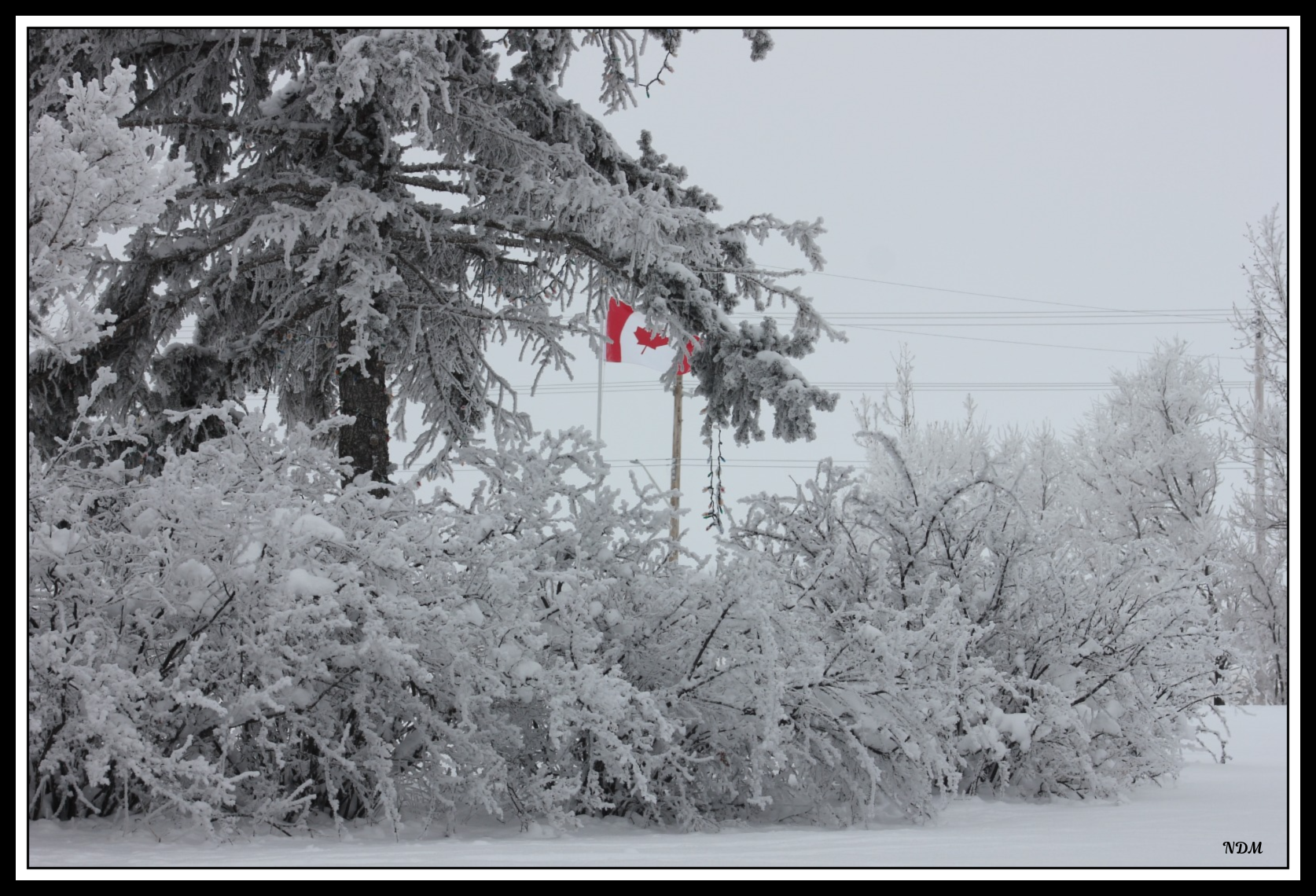
Yesterday, my trigger didn’t come from a headline or a breaking-news banner. It came from something far more ordinary. I was doing business work, half-listening to a representative from an energy company in North Carolina, somewhere near Raleigh. He was talking about their storm response, freezing rain, infrastructure damage, and restoration timelines. The kind of technical conversation that usually fades into the background.
At one point, he mentioned crews coming in from Canada.
I stopped for a moment. Of course they’re coming in from Canada. Because that’s what Canada does. That’s what Canadians do. We show up. We send people. We help stabilize systems that aren’t ours, even as words coming out of the White House question our motives, our sovereignty, our usefulness. Even as we’re talked about like a problem instead of a partner.
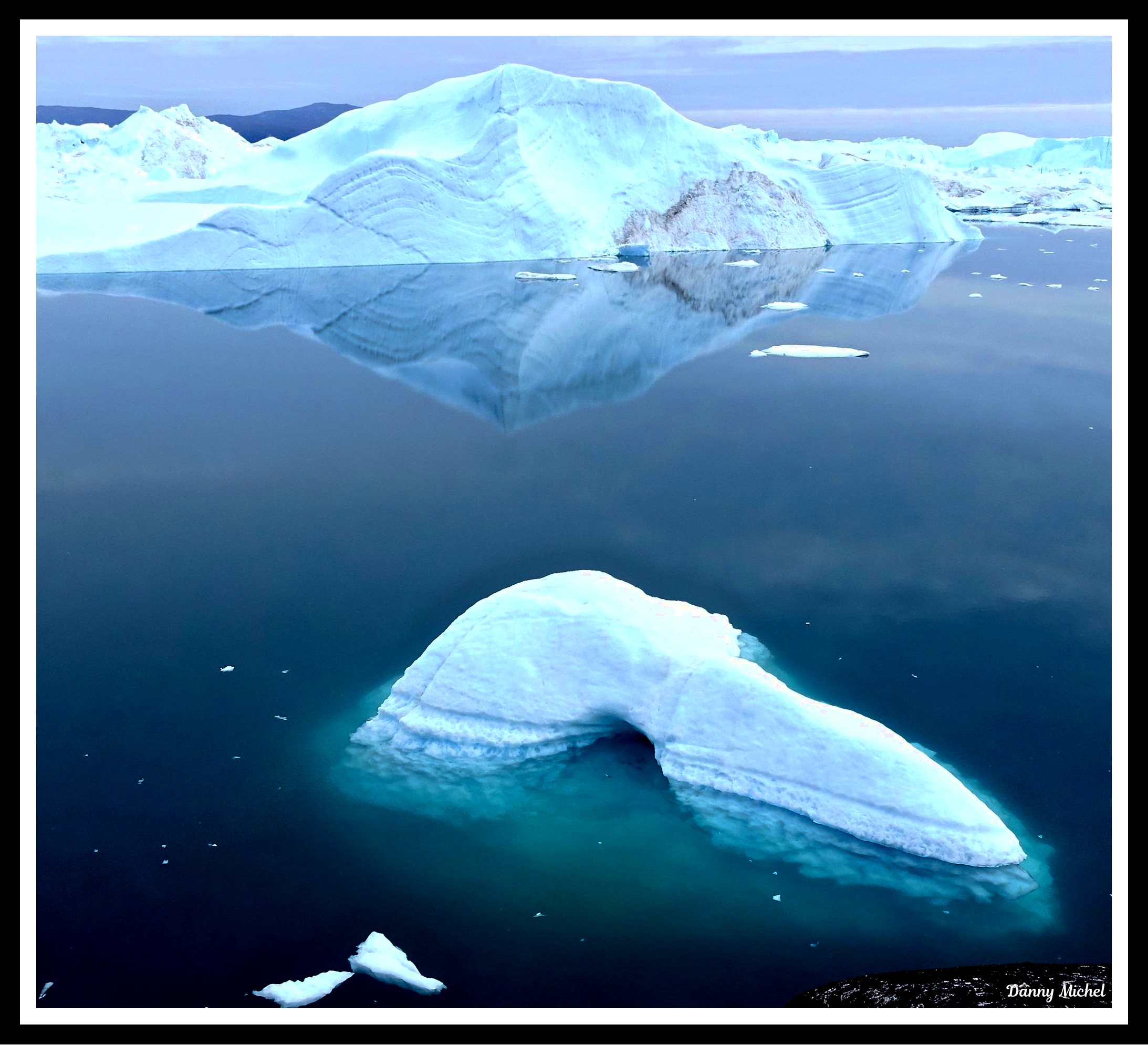
I shook it off and went back to work. And then he said something else. “The thing about ice is that it continues to cause problems after the storm has passed.” He was talking about freezing rain; actual ice. Not politics, uniforms or ideology. The physical aftermath of a storm that looks finished but isn’t.
And that’s when my hands stopped for real. Because that sentence describes exactly where we are. Over the past few days, words from the White House have led some people to believe the worst might be over. That the temperature has come down. That the tone has shifted. That maybe the storm has passed.
But a lull is not repair. A pause in the storm doesn’t undo the damage already done. And when pressure has been applied long enough, the real question isn’t whether the noise stops. It’s what breaks afterward.
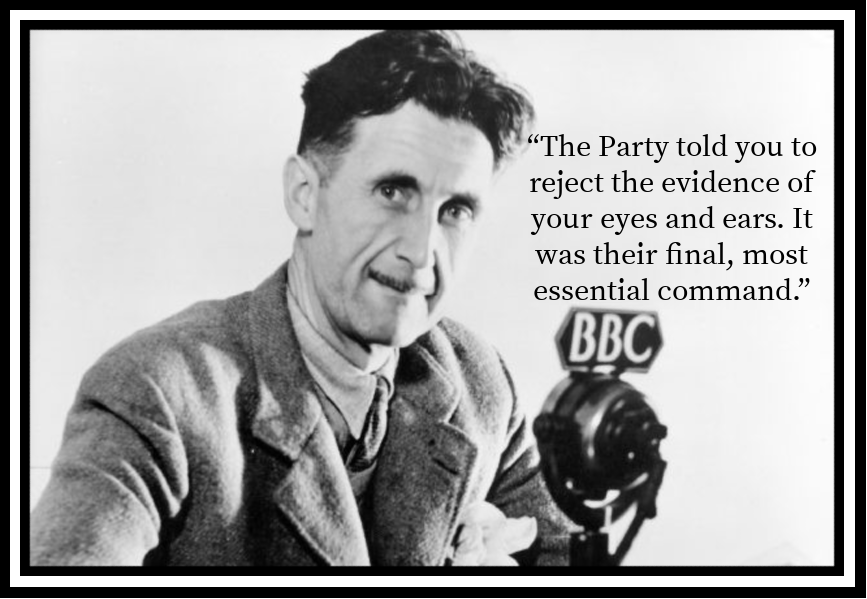
We keep being told to calm down. To stop overreacting. To trust that nothing is really going to happen. That this is all hyperbole, whipped up by traditional media, by content creators, by liberals, by left-wing radicals, by anyone who apparently still possesses a functioning frontal lobe.
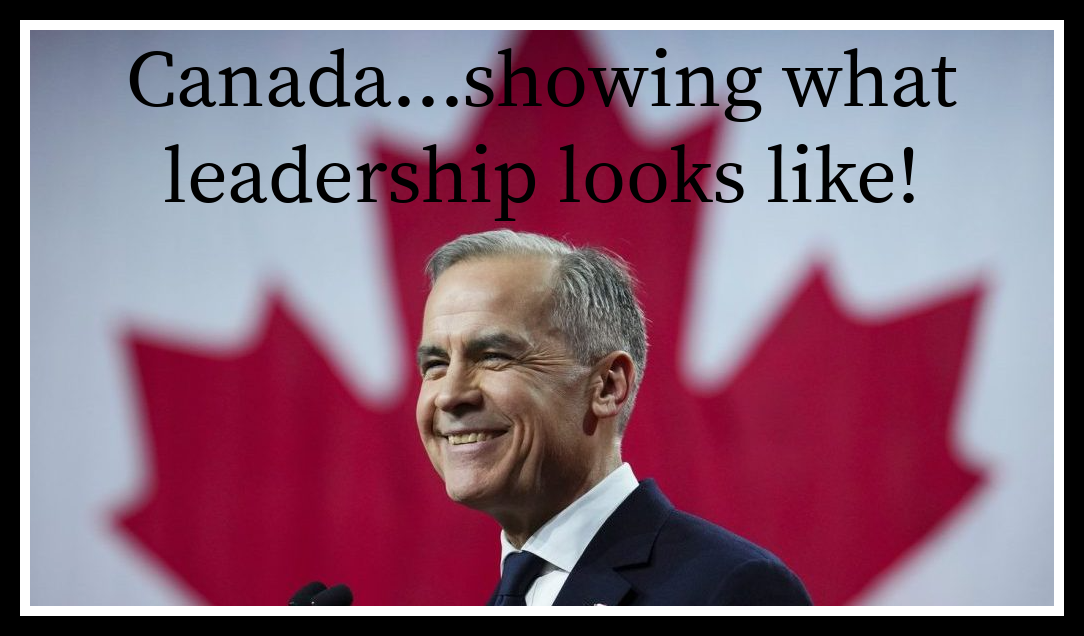
I understand how hard it is to be objective about your own country, your own politics, your own leader. I get that. Truly. But an awful lot of rational minds outside the United States, outside the immediate circle of influence of the White House, are seeing this very clearly including our prime minister.
Storms are obvious and loud. Storms are speeches, threats, executive orders, chaos by design. Storms dominate the news cycle and exhaust everyone at once.
The aftermath is different. The aftermath is a consequence. It’s what quietly and invisibly weakens systems until something gives days or weeks later. Power lines fall when the sun comes out. Trees collapse when the wind has died down. Trust fractures long after everyone thinks it’s safe again.
But this storm met a person. Not a uniformed soldier on a battlefield. Not a politician. Que to the image of a registered nurse standing in a VA hospital. Someone whose life was defined by care, by empathy, by service without grandiosity.
When Alex Pretti spoke these words in 2024, he was honoring someone else. “Today we remember that freedom is not free. We have to work at it, nurture it, protect it, and even sacrifice for it. May we never forget and always remember our brothers and sisters who have served so that we may enjoy the gift of freedom. In this solemn hour, we render our honor and our gratitude, onward in gratitude.”
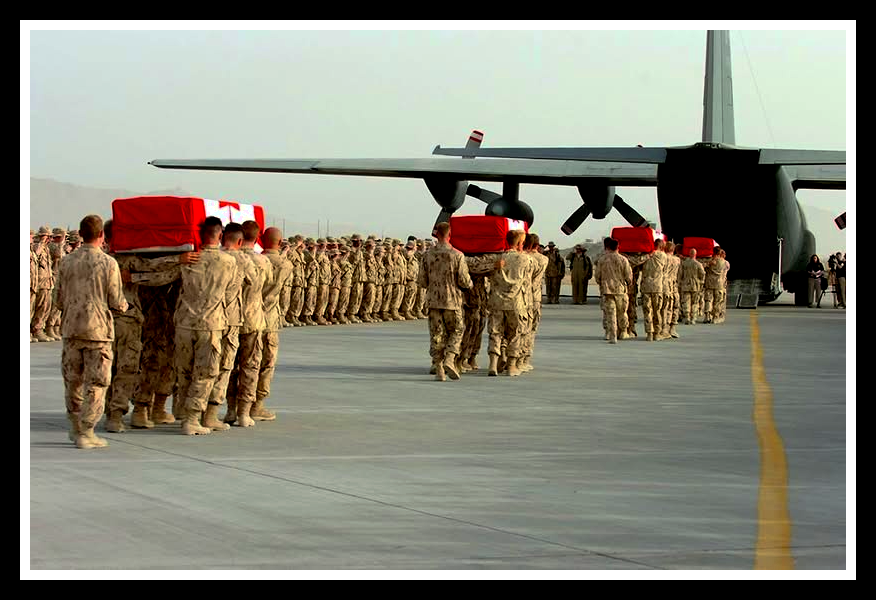
He was not speaking about himself. He did not wear a uniform. He was not imagining martyrdom. He was expressing a shared moral understanding that once anchored the free world. That service creates obligation. That sacrifice demands protection. That freedom depends on care as much as courage.
What makes this moment so painful is not that those words were meant for him. They were not. It is that the values he spoke about collided with systems already under strain, and he paid a price for failures that were never his to carry.
This was not destiny. It was not inevitability. It was the moment when accumulated pressure met a human life.
This may have been when the bough broke. It may be not just the storm itself, but the point where long ignored stress finally snapped something visible. The moment when people could no longer pretend the danger was abstract, exaggerated, or safely contained.
This isn’t just an American question. Is this something people in Canada can see? Can we see how democracies don’t fail all at once, but through accumulation on the branches? Through normalization? Through believing that once the noise quiets, the danger has passed?
It is almost unbearable to consider that the moment when something finally shifted could be associated with someone so empathetic, so grounded, so unwilling to center himself.
Alex Pretti did not live with grandiosity. He lived with care. And if his murder becomes a turning point, it will not be because he was meant to carry that burden. It will be because the free world failed to reckon with the ice that was already accumulating on the branches.
As a Canadian, this lands deeply. We understand winter as a long game. We know that surviving the storm is only half the work. The rest is dealing with what’s been weakened underneath, economically, diplomatically, psychologically. And as someone who has lived through real crises, I know this truth in my bones. The absence of immediate danger does not mean safety has returned.
The storm easing is not the end of the risk. It’s the moment when you find out what broke.

 Nancy's Notes