


It has been another one of those weeks away from the pen. Not because there is nothing to write about. Quite the opposite. There is too much. Too many headlines, too many fractures and too many moments where you stop, look at the world, and realize you cannot quite hold all of it in your head at once. But here we are.
Last night, I was in an elevator in Mexico. As I often do, I asked where people were from. Part curiosity and part instinct. Sometimes it stays light. Sometimes it does not. This time, it did not.
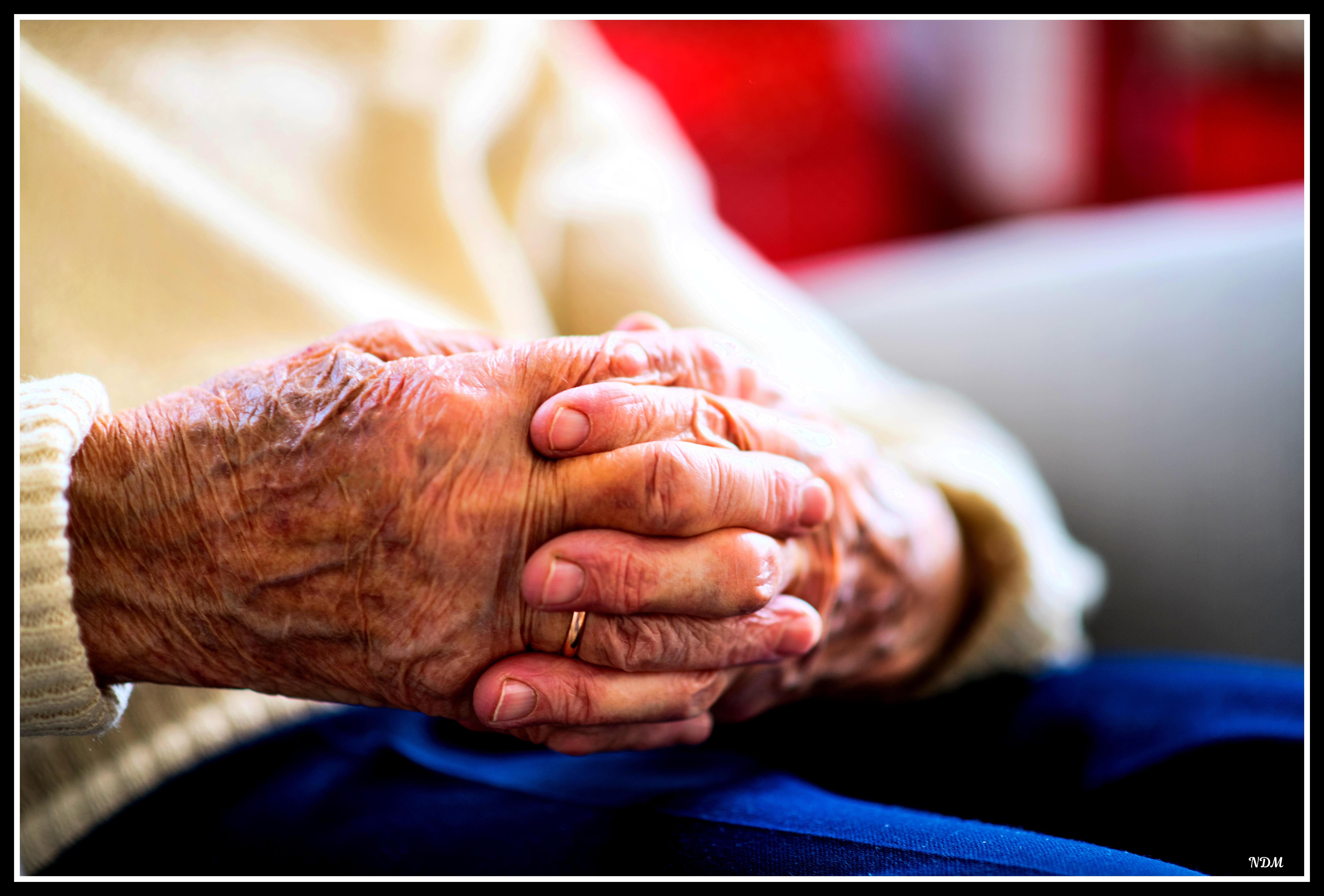
My elevator companion was from the Edmonton area. Ninety years old. Well put together. Clear eyed. The kind of woman who has lived long enough to choose her words carefully. She asked how I felt about what is happening in Alberta. I told her the truth. It breaks my heart.
She began to cry. Deep, uncontrollable sobs. She spoke about having lived a long life believing the world was moving, however imperfectly, toward something better. That there would come a time when she could look at the future her children and grandchildren were inheriting and feel some peace. Instead, she finds herself watching conversations unfold that she never imagined would be happening in Canada, let alone in Alberta.
When the elevator doors opened, she was still crying. She sat down in the lobby, visibly shaken. I sat with her.
That is when she told me her family’s history. Her parents were killed by the Nazis during the Holocaust. She said the story of how she survived is long and painful. She did not tell it and I did not ask. Some histories are not meant to be unpacked between strangers. They are meant to be carried.
What she was grieving was not policy or politics. Not a single moment or issue. It was the feeling of watching memory thin. Of sensing that the lessons paid for in human lives are beginning to feel distant to people who never had to carry them. That what once felt unthinkable is now sometimes spoken without hesitation.
Later, I was sitting by the pool with a couple from Winnipeg that I have come to know over the past few days. He and I talk easily, loudly, about everything and nothing. His wife is quieter, observant. She has been reading a book I had heard about for years but never opened. Sapiens.
So I downloaded it. I am early into it, and parts may be debated forever, but the core idea stayed with me. Humans did not survive because we were the strongest. We survived because we cooperated. Because we created shared stories, shared meaning and shared understanding of belonging.
Those shared beliefs allowed strangers to trust one another. To build communities. To imagine a future beyond themselves.
But every step forward carried a cost. Agriculture brought stability, but also hierarchy and ownership. Structure created order, but also distance. As societies grew more complex, we began to live inside systems of our own making, sometimes forgetting the human purpose beneath them.
I often write about policy and politics. That is where the arguments usually live. But the woman in the elevator was not grieving politics. She was grieving something more fundamental. The slow erosion of connection. The fear that we are forgetting what binds us to one another in the first place.
Before we were provinces or parties or positions on a map, we were people who survived by staying connected. Canada has always drawn strength from that understanding. Not sameness, but belonging. Not agreement on everything, but a shared commitment to one another.
Alberta is part of that story. So is every other corner of our country. And perhaps what many are feeling right now is not rage, but sorrow. Not division, but fear of losing something deeply human.
This post may read as quieter than some of what I usually write. That is intentional. It does not speak to the specifics of what is unfolding in Alberta, in the United States, or in other parts of the world right now. What it speaks to is the ground beneath all of it. The conditions that allow these moments to take hold in the first place. But make no mistake, the time for anything but clear and bold words is almost gone.
My tone will be stronger in the coming weeks. When history starts to feel abstract, people get bold in all the wrong ways. They say things out loud that once lived only in whispers. They drift toward ideas earlier generations buried for a reason. I see it creeping into conversations at home, surfacing across Canada, and echoing far beyond our borders. And the woman in that elevator reminded me that none of this is theoretical. Memory exists because it had to. Because someone survived long enough to warn us.
And some warnings are not meant to fade quietly into history. They are meant to be remembered, clearly, while we still have the choice to listen.
 Nancy's Notes