Archive for February, 2026

Read The Menu Carefully!

Posted: February 11, 2026 in Uncategorized

Heather Cox Richardson wrote on February 9th something that made me stop and think. As she usually does. Many of you who read me already read her, and if you do not, you should. I am not a historian, nor am I a journalist. I am, at heart, a storyteller who tries to stay grounded in facts and lived reality. Heather Cox Richardson is the historian. She is one of the voices I turn to when I want to understand the deeper roots beneath today’s headlines. And in the past year, one name keeps resurfacing, a name many had barely considered until recently, yet now seems to echo constantly. William McKinley, the so called Tariff King, whose policies fused tariffs, economics, and expansion into a single driving force. Geography followed advantage. Power followed usefulness. And within that machinery sat Puerto Rico.

Puerto Rico was never brought in as an equal. It was absorbed as useful. Yes, Puerto Ricans are American citizens, but Puerto Rico is not a state, it is a territory. Its people cannot vote in presidential elections. They live inside the system, yet without full voice. Citizens, but not treated as equal citizens. Governed, yet not fully represented. Included, but not equal. That reality has never fully disappeared, and it continues to shape how Puerto Rico exists within the American structure today.

Then came the modern reminder. Bad Bunny. I am not here to analyze a halftime show, that is not the point. The point is the reaction, the insistence from some that he is “not American.” A man born in Puerto Rico, a U.S. citizen, still viewed by some as outside, as less than, as not fully belonging. This is not about music. It is about hierarchy. It is about how systems decide who is fully included and who is simply useful.

When I think of Puerto Rico, I think of a beautiful Caribbean island that has too often been mistreated, overlooked, and controlled without equality. And that reflection leads somewhere important. An 1898 edition of Harpers Weekly once showed Uncle Sam plucking “sugar plums,” the desired fruits of empire. They were not candy, they were land, resources, and strategic footholds. Those sugar plums did not vanish, they changed geography, and the gaze moved north.

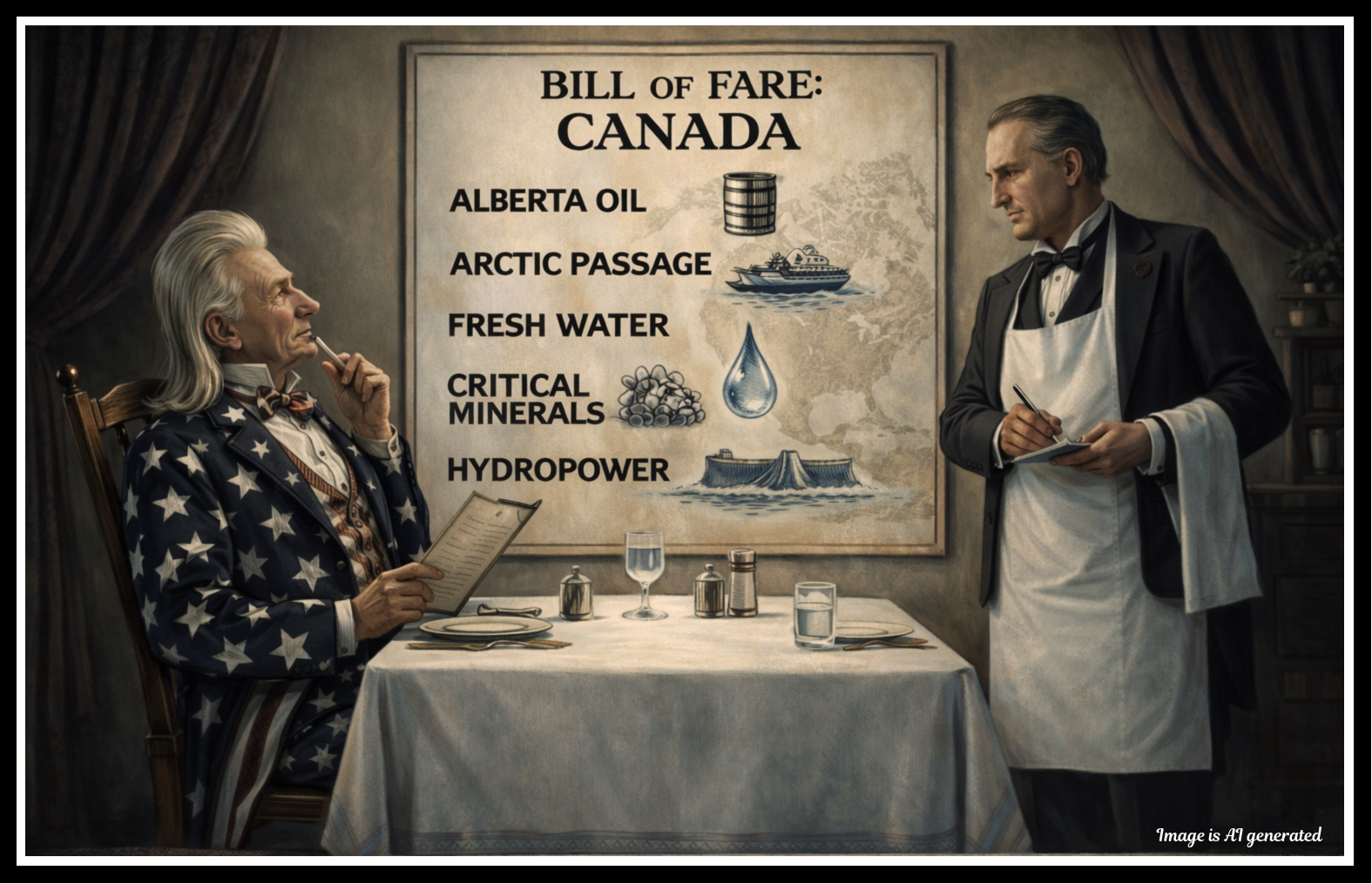
Today, the desired fruits look different. Oil and gas, fresh water, critical minerals. hydropower, the Arctic including The Northwest Passage. Strategic geography and strategic leverage. The map changed, but the instinct did not. Usefulness first, equality optional. And that is where this conversation reaches Alberta, and ultimately all of Canada. To those Alberta separatists who imagine advantage, strength, or special standing by moving closer to power, look again at Puerto Rico, not symbolically, but practically. A place valued for what it provides, not empowered for what it is, governed within a structure where decisions are made elsewhere, for interests beyond its own.

So let us make this simple. Imagine a restaurant. From the outside it looks exciting, successful, irresistible. You read the reviews carefully and notice a pattern. Only certain people are treated well, others are tolerated for what they bring. Some leave respected, others leave diminished. Would you still go, convincing yourself your experience would be different, that you would somehow be welcomed as an equal. Look again at the sign on the door. It does not say Partners, it says Suppliers. And once inside, you are not seated at the table, you are on the menu.

Heather Cox Richardson does not write about the past to stir nostalgia, she writes to reveal continuity. Tariffs were never just economics, expansion was never just geography, and power has always moved toward what is useful. Trump did not create this instinct, but under this administration the pattern is no longer subtle, and now Canada, in all its regions and resources, is increasingly viewed through that same lens.

The sugar plums of 1898, the desired fruits of that era, did not disappear. They transformed into the resources most valuable today. Energy, water, minerals and access to new geographies, gateways and futures. So Alberta before anyone imagines strength remember it will be without equality, sovereignty without control, and belonging without respect. I implore you to remember that simple truth. And as Mark Carney warned at Davos, if you are not at the table, you are on the menu.
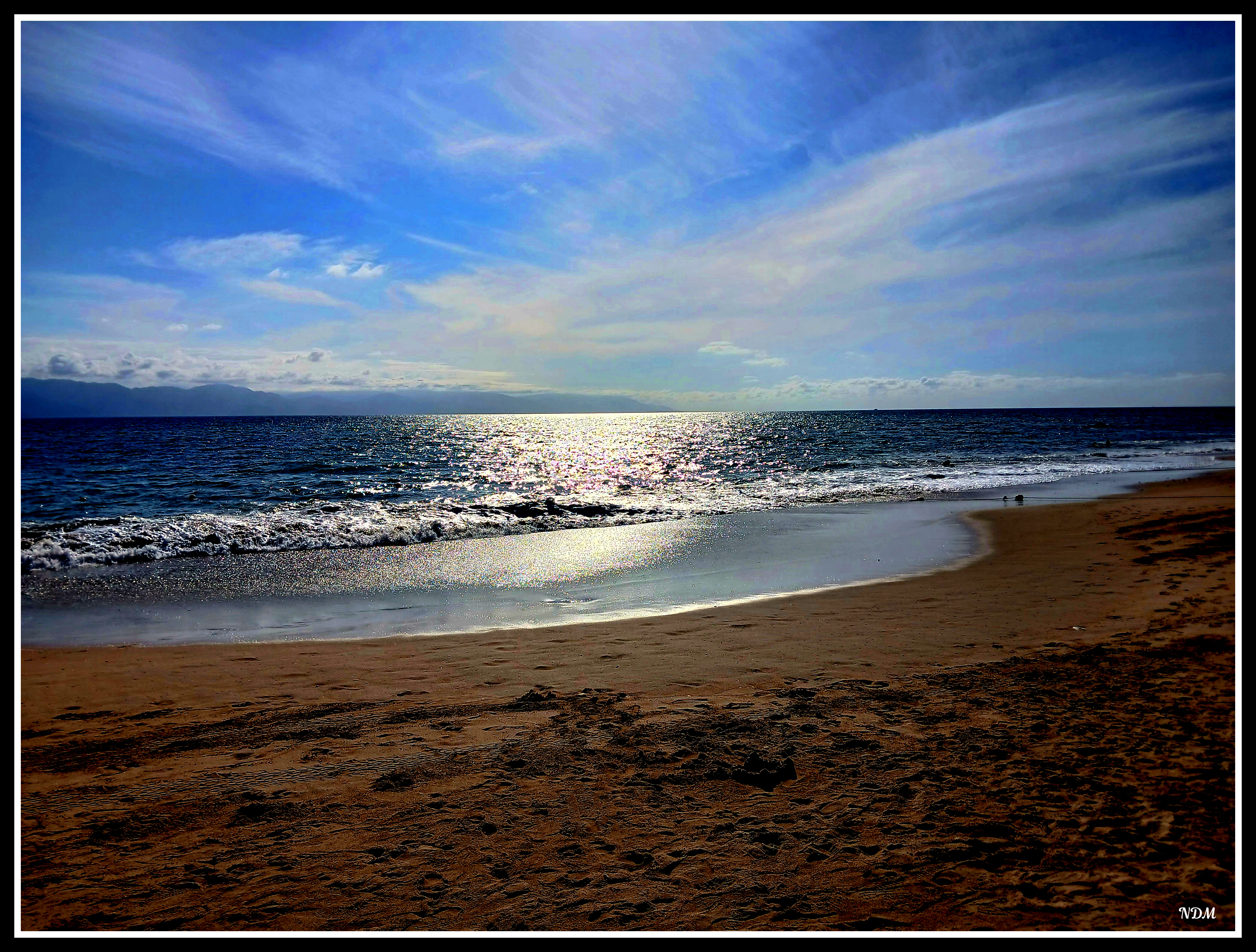
Some research is conducted in laboratories. Some in boardrooms. And then there is the kind conducted from a lounge chair beside the ocean in Mexico, notebook in one hand, listening while the world talks when it thinks no one is studying it. The tide rolls in, the tide rolls out, and along the shoreline patterns form, shift, and sometimes disappear altogether. Over time, even the most unscientific observer begins to notice movement.

Over the past eighteen months, and more specifically across five separate visits to Mexico, through a series of entirely informal and definitely non-scientific conversations, I found myself repeatedly asking the same three simple questions. How do you feel about your president right now? Do you think your president thinks about Canada, and if so, how? And finally, what comes to mind when you think about Canada today? Not exactly Ipsos-level methodology, but surprisingly effective somewhere between the second coffee and sunset.

The conversations spanned five touch points. June 2024, October 2024, June 2025, October 2025, and now February 2026. The demographic was never intentionally selected, yet remarkably consistent. Predominantly age fifty-five plus, roughly sixty-five percent Caucasian, twenty percent Latino, fifteen percent Black. Mostly Canadian and American, with a scattering of Europeans who wandered into conversational orbit, often unintentionally becoming part of the “study.” Not a perfect sample, not even close, but a consistent one. And consistency, even poolside, tells a story.

What emerged was not statistics, but stages. Emotional and perceptual stages. Something between disbelief, adjustment, and political whiplash. Like footprints in the sand, each stage left a trace of where people stood at that moment in time.

Let us call them the Five and a Half Stages of Political Reality.

Stage One: The Comfortable Dismissal (June 2024)
Concern existed, but belief did not. People spoke about political upheaval the way one speaks about a distant storm over the horizon. Interesting, perhaps troubling, but surely not coming this way. Canadians continued buying winter escapes in Arizona and Florida. Americans spoke in hypotheticals. Nothing felt imminent. Nothing felt irreversible.

Stage Two: The Nervous Chuckle (October 2024)
The numbers tightened, and the tone shifted. Jokes became thinner, laughter shorter. Surely, people said, this could not actually happen. Surely the system would hold. Canadians still travelled south, though conversations carried a new edge. Americans began speaking less in hypotheticals and more in probabilities, though still wrapped in disbelief. Trump wouldn’t be that bad.

Stage Three: The Quiet Realization (June 2025)
The hypothetical became reality. The tone did not explode. It sank. This was not outrage. Canadians began saying, I will still go to the U.S. for now, but perhaps not forever. Americans spoke more cautiously, often lowering their voices, as if the political climate had become something navigated rather than debated. Geography began to matter. Border states sounded different from southern states. Urban voices differed from rural ones. Certainty was fading.

Stage Four: The Settled Shock (October 2025)
Realization hardened into acceptance, though not comfort. Canadians who once said they would “wait and see” began saying they would “wait, but not invest.” Some stopped travelling south. Some quietly sold property. Not dramatically or angrily but rather decisively. Among Americans, something unexpected appeared. Fatigue. Not necessarily political opposition, but exhaustion. The emotional volume dropped, yet the weight increased. Even casual conversations began sounding less like debate and more like reflection.

Stage Five: The Reflective Discontent (February 2026)
And now we arrive at the present, sitting beside an ocean that keeps rewriting the shoreline. Across conversations among travellers who vote, who pay attention, who historically leaned conservative, one pattern stands out. Contentment is rare. Pride sounds quieter. Uncertainty sounds louder. Vermont does not sound like Wisconsin. Wisconsin does not sound like Texas. Yet across geography, a shared unease hums beneath the surface.

Three distinct lenses emerged. A Canadian lens, reflecting reaction and changing cross-border behaviour. A European lens, observing from a distance with growing disbelief. And an American lens, revealing not just opinion, but something resembling evolving voter intention and emotional reassessment. This was never polling, but it was unmistakably movement.

Among Canadians, there is a clear alignment with our current national leadership and a growing discomfort with the direction of American leadership. What began as watchful patience has, for many, turned into quiet decision. Fewer winter homes, fewer long stays and fewer dollars flowing south. It’s still not loud nor dramatic. But it is deliberate.

Europeans observe from a distance, no longer trying to interpret, no longer trying to persuade. They watch, they shake their heads, and they move on, often with the calm certainty of people who have already made up their minds.

But it is the American conversations that feel most significant.

From Vermont to Wisconsin to Texas, across geography and ideology, something deeper is shifting. Not slogans. Not outrage. Recognition. A quiet understanding that this is not the country they imagined for themselves. A desire, sometimes whispered, to return to something steadier, something recognizable, something that once allowed them to celebrate their nation rather than explain it.

And perhaps that is the unwritten stage now forming. Not denial, shock or fatigue. Something closer to rediscovery.

The tide is still moving, quietly reshaping the shoreline one small shift at a time. Old footprints fade, new ones press forward, and without announcement the path begins to turn. Across conversations, across geography, across doubt and fatigue, something unmistakable is happening. More Americans are no longer standing still, no longer looking backward, but beginning to choose where they want their country to go next. The direction has changed and this time, they know it.

The Weight Of Remembering

Posted: February 5, 2026 in Uncategorized

It has been another one of those weeks away from the pen. Not because there is nothing to write about. Quite the opposite. There is too much. Too many headlines, too many fractures and too many moments where you stop, look at the world, and realize you cannot quite hold all of it in your head at once. But here we are.

Last night, I was in an elevator in Mexico. As I often do, I asked where people were from. Part curiosity and part instinct. Sometimes it stays light. Sometimes it does not. This time, it did not.

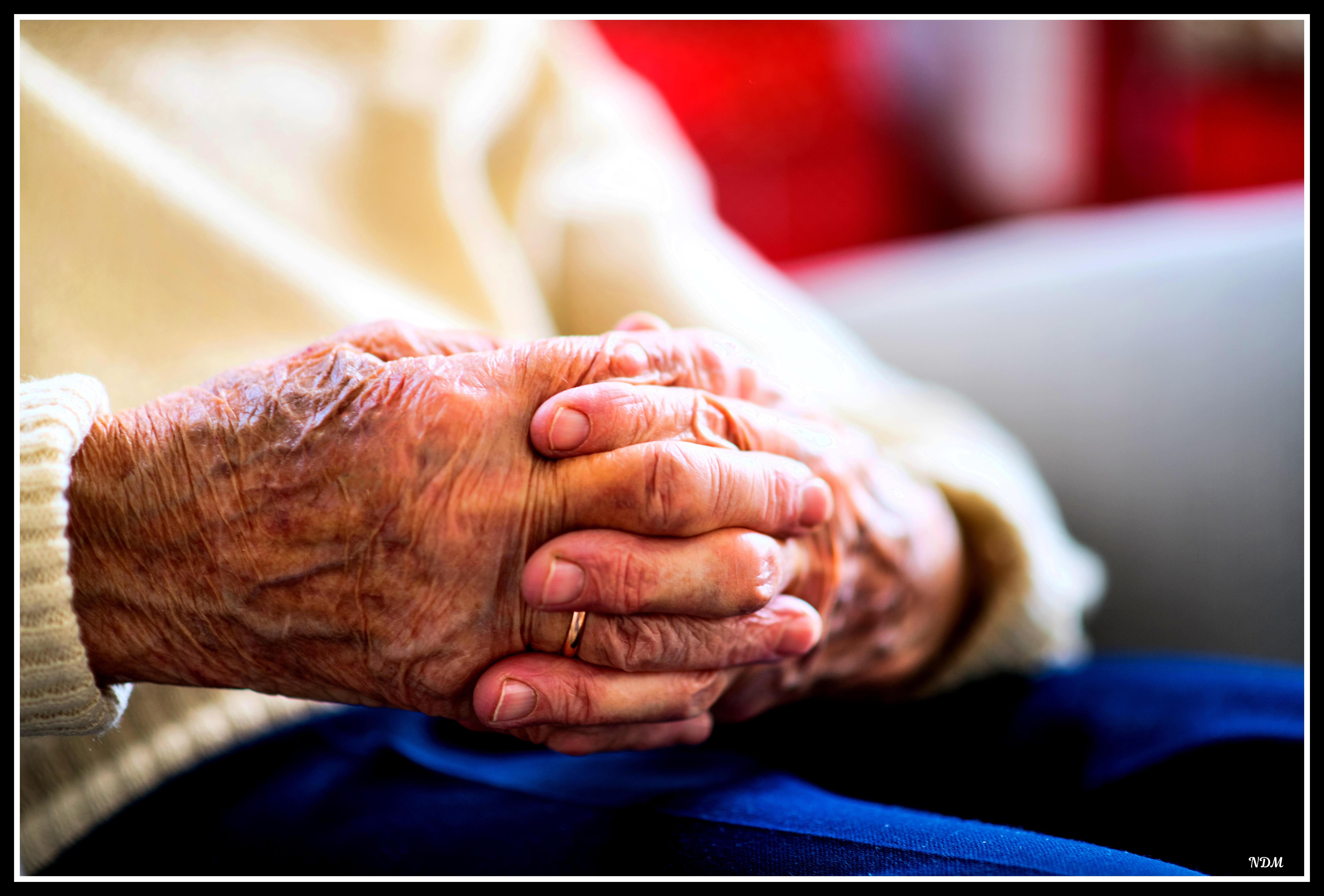
My elevator companion was from the Edmonton area. Ninety years old. Well put together. Clear eyed. The kind of woman who has lived long enough to choose her words carefully. She asked how I felt about what is happening in Alberta. I told her the truth. It breaks my heart.

She began to cry. Deep, uncontrollable sobs. She spoke about having lived a long life believing the world was moving, however imperfectly, toward something better. That there would come a time when she could look at the future her children and grandchildren were inheriting and feel some peace. Instead, she finds herself watching conversations unfold that she never imagined would be happening in Canada, let alone in Alberta.

When the elevator doors opened, she was still crying. She sat down in the lobby, visibly shaken. I sat with her.

That is when she told me her family’s history. Her parents were killed by the Nazis during the Holocaust. She said the story of how she survived is long and painful. She did not tell it and I did not ask. Some histories are not meant to be unpacked between strangers. They are meant to be carried.

What she was grieving was not policy or politics. Not a single moment or issue. It was the feeling of watching memory thin. Of sensing that the lessons paid for in human lives are beginning to feel distant to people who never had to carry them. That what once felt unthinkable is now sometimes spoken without hesitation.

Later, I was sitting by the pool with a couple from Winnipeg that I have come to know over the past few days. He and I talk easily, loudly, about everything and nothing. His wife is quieter, observant. She has been reading a book I had heard about for years but never opened. Sapiens.

So I downloaded it. I am early into it, and parts may be debated forever, but the core idea stayed with me. Humans did not survive because we were the strongest. We survived because we cooperated. Because we created shared stories, shared meaning and shared understanding of belonging.

Those shared beliefs allowed strangers to trust one another. To build communities. To imagine a future beyond themselves.

But every step forward carried a cost. Agriculture brought stability, but also hierarchy and ownership. Structure created order, but also distance. As societies grew more complex, we began to live inside systems of our own making, sometimes forgetting the human purpose beneath them.

I often write about policy and politics. That is where the arguments usually live. But the woman in the elevator was not grieving politics. She was grieving something more fundamental. The slow erosion of connection. The fear that we are forgetting what binds us to one another in the first place.

Before we were provinces or parties or positions on a map, we were people who survived by staying connected. Canada has always drawn strength from that understanding. Not sameness, but belonging. Not agreement on everything, but a shared commitment to one another.

Alberta is part of that story. So is every other corner of our country. And perhaps what many are feeling right now is not rage, but sorrow. Not division, but fear of losing something deeply human.

This post may read as quieter than some of what I usually write. That is intentional. It does not speak to the specifics of what is unfolding in Alberta, in the United States, or in other parts of the world right now. What it speaks to is the ground beneath all of it. The conditions that allow these moments to take hold in the first place. But make no mistake, the time for anything but clear and bold words is almost gone.

My tone will be stronger in the coming weeks. When history starts to feel abstract, people get bold in all the wrong ways. They say things out loud that once lived only in whispers. They drift toward ideas earlier generations buried for a reason. I see it creeping into conversations at home, surfacing across Canada, and echoing far beyond our borders. And the woman in that elevator reminded me that none of this is theoretical. Memory exists because it had to. Because someone survived long enough to warn us.

And some warnings are not meant to fade quietly into history. They are meant to be remembered, clearly, while we still have the choice to listen.