


.As a Canadian watching this unfold from just across the border, I keep finding myself in the same place many Americans seem to be. None of this feels very different from the questions that were being asked on day one of this strike. No one doubts that Iran has long been a destabilizing force in the region or that it has supported terrorism. That reality isn’t really in dispute. But when nations begin talking about sending their children and grandchildren into harm’s way, the standard for doing so has to be extraordinarily high.
Those of us who watched the wars in Iraq and Afghanistan unfold, and who watched the years that followed, know what happens when a conflict begins without a clearly articulated reason, a defined endgame, and a credible exit strategy. I watched those wars with the added weight of knowing that a member of my own family was serving there. When people you love are the ones being sent into harm’s way, the conversation about war stops being abstract very quickly.
From the outside looking in, it is difficult to understand how Americans are being asked to support something of this magnitude without those answers being made crystal clear.
I held off writing anything more about this for several days because I honestly thought it might burn hot for a moment and then begin to cool. Conflicts sometimes do that. But as we move closer to the two-week mark, that possibility seems to be fading. The damage continues to accumulate. Missile inventories depleted. Drones launched. Interceptors fired. Cities struck. Civilians caught in the middle. Soldiers already injured. Every day another piece of the global machinery grinds a little harder. And yet the explanation behind it all still feels oddly fluid.
One of the new words introduced into the conversation this week was that the war was an “excursion.” Now, when I hear the word excursion, I think of something very different. I think of the optional trips that get offered when I’m on vacation in Mexico, a zip-lining excursion through the jungle or maybe a sunset catamaran cruise where everyone watches the sky turn orange before heading back to the resort for dinner.
I do not think of airstrikes, missile exchanges, and the possibility of sending young soldiers into a country of ninety million people.
Words matter. And right now the words keep changing. At one point, we were told the war was “very complete.” Hours later, we were told it was only just beginning. It would last weeks. There would be no timeline. It was limited. It might expand. Victory was close. Victory required unconditional surrender.
Somewhere in the middle of all of that, I heard a retired general mention a phrase that stuck with me. The military calls it ‘Troop-to-Task.’ It’s a basic principle of planning. Before launching an operation, commanders define the mission and then calculate the resources required to accomplish it. Soldiers, medics, engineers, intelligence, logistics, and supply chains. Basically, the entire structure that turns a plan into reality.
But that math only works if the task itself is clear. Listening to the conversations this week, it’s difficult to escape the feeling that the task keeps moving. One day the mission is nuclear containment. The next day it’s eliminating missile capability. Then it’s protecting global shipping lanes. Then it’s regime change. Then it’s unconditional surrender. Those aren’t small adjustments in strategy. Those are entirely different wars.
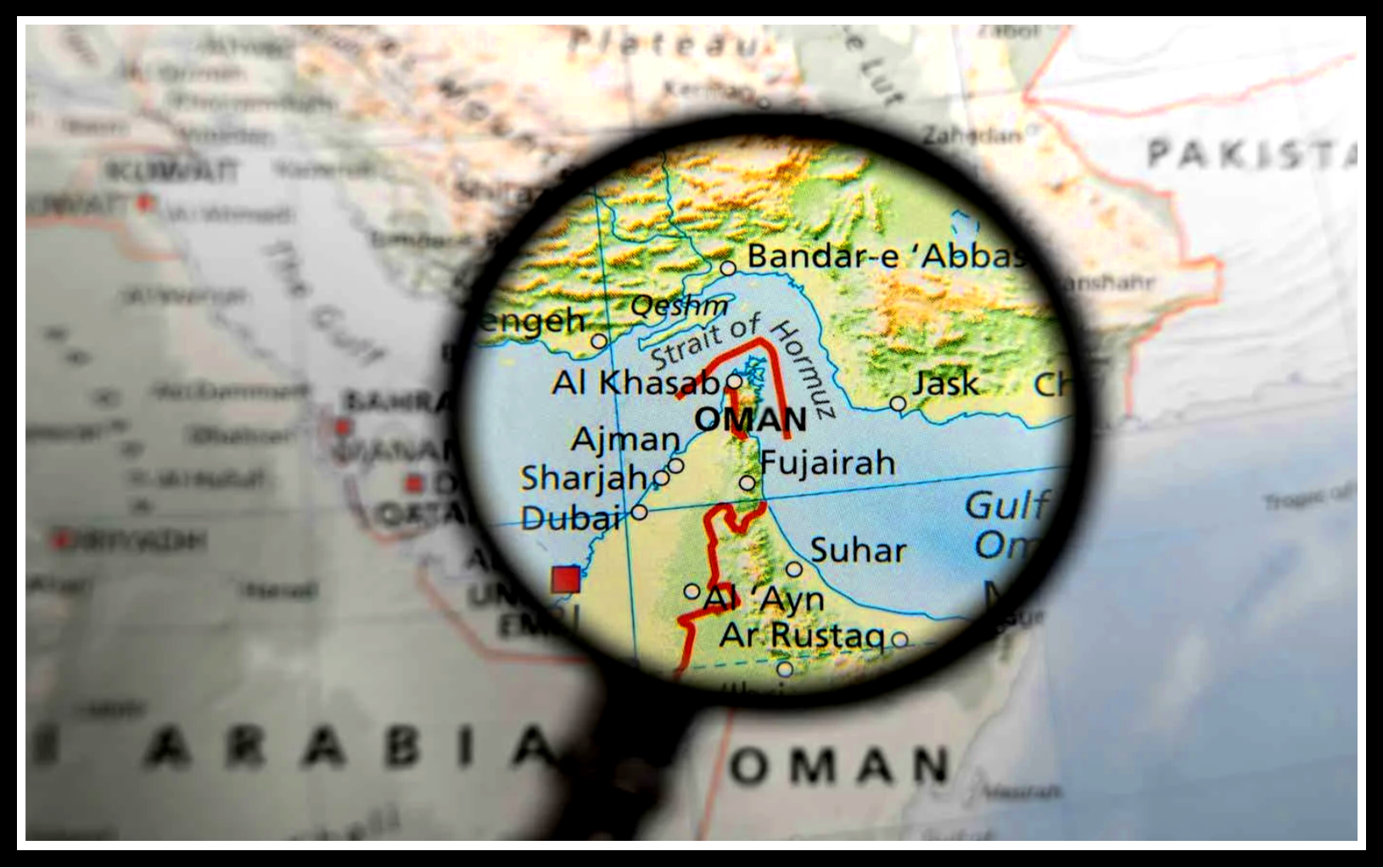
And every time I hear the phrase ‘Troop-to-Task’ my mind keeps shifting it slightly. I hear ‘Truth to Task’. Because before anyone starts calculating troop numbers, before anyone starts discussing escalation or victory, someone should be able to answer a much simpler question. What is the truth of the task? Is this about Iran’s nuclear program? Is it about regime change? Is it about oil flows through the Strait of Hormuz? Is it about geopolitical messaging?
Those answers matter. They matter because they determine the cost, in lives, in resources, and in consequences that ripple far beyond the battlefield.
There’s a line from Henry Kissinger during the Vietnam War that resurfaced this week that has been rattling around in my head as well. Kissinger once observed that in asymmetric conflicts the United States loses by not winning, while the other side wins simply by not losing. Listening to analysts talk about Iran’s strategy, asymmetric warfare, drones, mines, missile launches, disruption of shipping lanes, it’s hard not to hear that echo again. One side seeks decisive victory. The other side simply needs to simply still be standing when it’s over.
Which brings me back to those three words. Truth. Troops. Task.
If the truth isn’t clear, the troops shouldn’t be there. And if the task isn’t clearly defined, declaring victory becomes nothing more than a press release.
This moment isn’t about ideology or party loyalty. It’s about whether the person making decisions that could reshape the global order actually understands the weight of those decisions.
And from where I’m sitting, just above the 49th parallel, that confidence simply isn’t there. People are welcome to disagree with me here. Honest debate is part of how democracies stay healthy. But if the only argument someone has left is that Donald Trump’s improvisational leadership is exactly what the world needs in a moment like this, then this probably isn’t the place for that conversation. There are plenty of other corners of the internet for that. This one isn’t it.
 Nancy's Notes