


UPDATE: It is important to note that I wrote this to explain the structure of the process. There are many aspects of it that should be revisited and one that I often mention in more detailed conversations around the exclusion of Hydro power in the calculation. So take this as a very general explanation as it was intended.
Equalization payments 101. I’m beginning to believe a lot of citizens skipped grade six. Jason Stephan, MLA for Red Deer and member of Alberta’s Treasury Board, posted today about what he viewed is the money Alberta ‘sends’ to Quebec saying it’s “too bad Quebec didn’t separate.”
Let’s just pause on that for a second. A sitting MLA who is responsible for provincial finances is wishing a founding province had left Confederation. Because of taxes? That’s not just a cheap political shot. That’s a fundamental misunderstanding of how Canada works. And how the equalization system works.
And unfortunately, he’s not alone. So let’s try this one more time at a grade six civics level, since that seems to be where the understanding stopped. Equalization isn’t Alberta sending cheques to Quebec. It’s not a personal donation to daycare in the Maritimes.
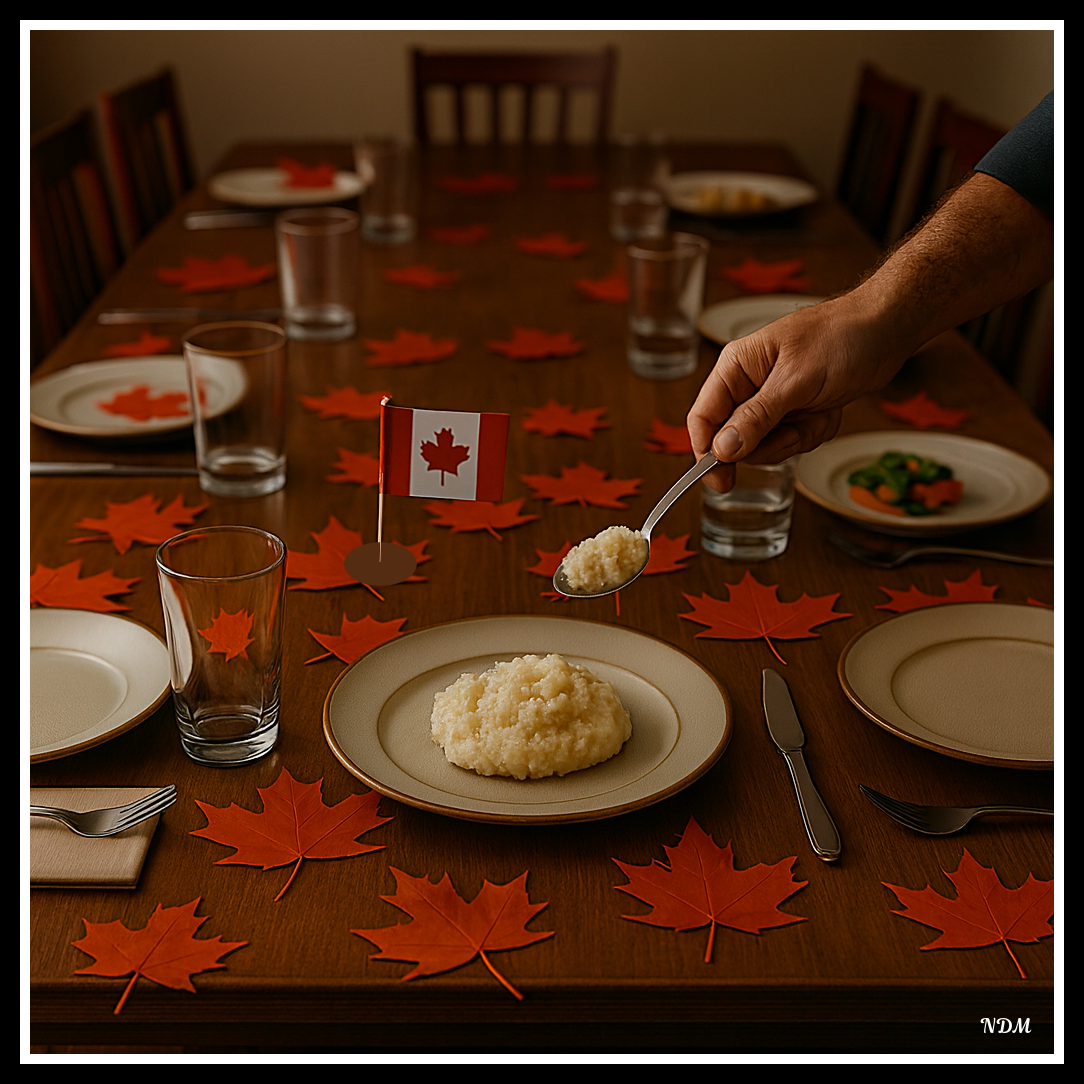
Here’s the truth. Canada is a country, not a profit-sharing corporation. Let’s think of it like a big family. Alberta is the high-earning sibling who makes good money, works hard, maybe brags about it a bit too much at Thanksgiving. New Brunswick? That’s the older relative. Wise, tough, but not pulling in as much these days. Quebec? Well, Quebec is the family member who insists on doing everything their own way but still shows up for supper.
And like any decent family, we try to make sure everyone has what they need, even if we don’t all contribute the same amount.
That’s where equalization comes in. Here’s how it actually works. The federal government collects taxes from across the country (and yes, Alberta pays a big chunk because we earn more. Please know that’s not punishment, it’s math). Then, based on a formula, it gives equalization transfers to provinces that don’t have the same ability to raise their own revenue. That means more help for places like New Brunswick, PEI, and Manitoba so they can offer public services at reasonably similar levels and tax rates. Provinces like Newfoundland for example have been both the successful family member and the one that needed some help on occasion.
And just to be crystal clear Alberta does not send money directly to other provinces. No one’s mailing cheques from Edmonton to Quebec City. Equalization payments come from the federal government to each provinces.
And about that formula? It can be reviewed. And it has been including during the Harper years. So if Jason Stephan thinks it’s broken, maybe he should dig into those files before continuing the negative narrative. While he’s at it, maybe he can get a memo to Premier Danielle Smith because if there’s one thing this Premier loves more than chaos, it’s finding someone else to blame for it.
Canada is not a zero-sum game. Every province brings something to the table. Not all bring cash and thank God, because if money were the only measure of worth, we’d be a pretty soulless country.
Right now, we’re dealing with global instability, trade tensions, economic insecurity, war, and climate pressure on everything from food to fuel. The job right now is to take care of our own. That means defending each other, not dividing each other.
If we need to revisit how the family handles its finances, then fine we will. But not in the current situation our country (family) is in. And not because one provincial politician needs a distraction from his own lack of solutions.
Maybe Quebec is the kid who’s still living at home, expects dinner on the table at six, and reminds you regularly they might move out if the menu ever changes. Alberta is the sibling who just landed a big promotion and can’t stop telling everyone else how to run their lives. Annoying? Absolutely. But guess what? They’re both still family.
Because in the end these provinces are all part of this amazing country and in my view we are family. And like any real family, we all have a seat at this table. No one gets to kick anyone else out.
We argue. We pass the potatoes. We fight over who has to do the dishes. But we also make sure everyone’s plate has something on it. That’s not weakness. It’s the strength of the system.
So if the way we split the bill needs a second look, we’ll do that. Together. Like grown-ups. But let’s not confuse family finances with family values. Because from this citizens point of view we make sure everyone gets dinner on their plate. We argue, we grumble, and sometimes we roll our eyes at each other. But we don’t cut anyone out just because it’s politically convenient.
We show up. We share. We do the work. That’s what being Canadian actually means.
 Nancy's Notes