


We are now many hours into this since the initial strikes, and instead of clarity, we have expansion. There are more questions than answers. There is more concern now than there was on day one. For the people inside the region, fear was immediate and visceral from the first blast. For those watching from outside, the fear is different but growing. It is the fear of consequences that do not stay contained. The fear of global ripples. The fear that what begins as a “limited action” rarely remains one.
I want to go back to the talks in Oman. Oman’s foreign minister, Badr Albusaidi, spoke publicly just last week on Face The Nation about progress he believed had been made. He described a framework where Iran would not accumulate enriched uranium at weapons-capable levels. Zero stockpiling. Downblending existing material. Full IAEA verification. Even the possibility of broader inspection access if a durable deal were reached.
If that framework was real, it should have mattered. A country that cannot accumulate weapons-grade material cannot build a bomb. And yet here we are.
Was diplomacy actually advancing, or was it serving as a holding pattern while military decisions were already in motion? If an off ramp existed, why was it not taken? If it did not, why were we told progress was being made? That question sits heavily with me.
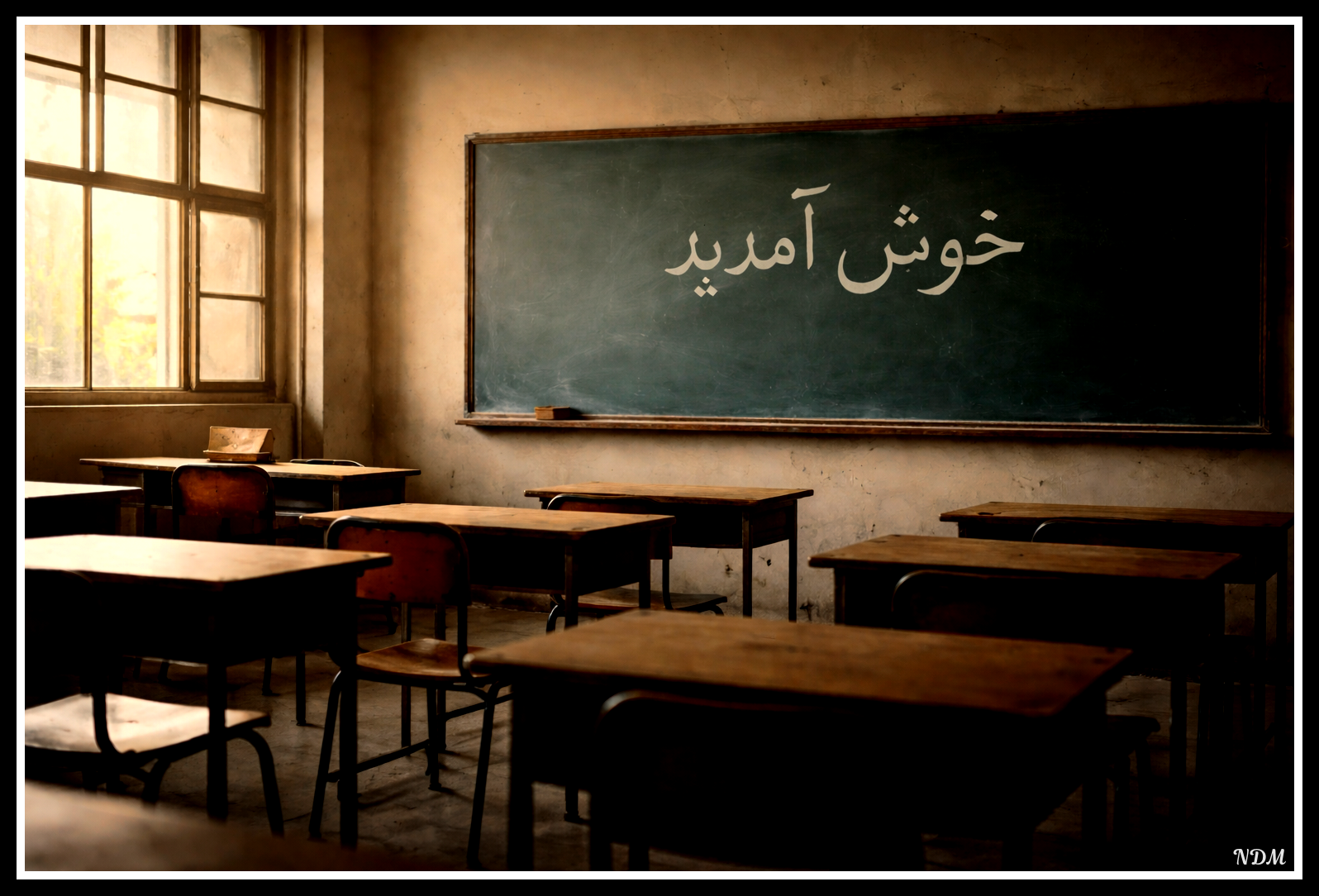
And then there is the girls’ school. I am not suggesting it was intentionally targeted. I am not assigning motive. The fog of conflict is thick, and information remains incomplete. But in a country where we are repeatedly told that girls’ education is restricted, contested, suppressed, the irony is devastating. Girls were in classrooms. However imperfect the system. However constrained the curriculum. They were learning. And in the opening hours of escalation, it was a girls’ school that became part of the casualty count. Those girls were not the regime. They were not negotiators in Oman. They were not architects of uranium policy. They were children at desks.
We talk about enrichment levels and verification regimes. We debate stockpiles and inspections. And in the middle of that language were girls trying to be educated in a country where that education has already been fragile. If Western military action contributed to their deaths, we cannot simply glide past that because the target list was strategic. Civilian reality does not dissolve because the intent was something else.
That image has taken the humour out of me. I usually write with dark edges when I can see the pattern. I reach for aviation metaphors when there is a visible runway. Right now I cannot see the landing lights nor can I see the exit.
And I cannot ignore another layer. In the United States, a significant portion of enlisted service members come from working class communities. Rural counties. Small towns. Areas where college pathways are less accessible and military service offers structure, mobility, education benefits, and economic opportunity. That is not criticism. That is reality. For many families, enlistment is a pathway forward.
Demographically, many of those same communities lean conservative. Many supported Donald Trump in part because they believed promises of strength, restraint, and no new wars.
So I cannot help but ask, quietly but plainly: if this escalates beyond the air, if it moves from drones and aircraft to boots on the ground, how will those parents feel? The ones who believed this administration would avoid new entanglements. The ones whose sons and daughters signed enlistment papers hoping for advancement, not open-ended conflict.
This is not an attack on voters. It is a question about consequences. Because escalation has layers. The Gulf of Hormuz and oil and gas flows are not abstract. China’s energy imports are not a footnote. When global arteries constrict, the impacts spread. Markets reacts, prices rise and alliances are strained. Once the machinery of war begins moving, it does not always respond neatly to political messaging.
We are only a few days into this, and instead of firm objectives, we have shifting language. Instead of a clearly marked end state, we have ambiguity. That is what unsettles me most.
Leadership, especially in moments like this, requires clarity of purpose. It requires defined objectives, visible guardrails, and a credible end state. Right now, from the outside looking in, that clarity does not appear to exist for the U.S. The messaging keeps shifting, the tone keeps changing and the stated goals feel elastic.
When a nation moves toward escalation, steadiness is not optional. Direction is not a luxury. It is the foundation. If diplomacy was genuinely within reach, show us how close it was.
If it was not viable, explain why it collapsed. If deterrence is the goal, define what success looks like. If something larger is underway, say so plainly.
Because wars are easier to ignite than to extinguish. Verification systems take years to build and moments to shatter. And the first images many of us are holding include girls in a classroom with the word welcome still written on the board.
Are we moving forward with a plan, or simply forward without a compass?
 Nancy's Notes