Archive for the ‘Uncategorized’ Category

Sometimes it feels as though the compass we once trusted to guide the world has cracked. The needle still moves, but fewer and fewer people seem certain where true north is anymore.

There are days when I sit down to write and I know exactly where the words are going. The argument is clear, the facts are lined up, and the path from beginning to end is fairly easy to see. Today is not one of those days.

This morning I watched part of a press conference from yesterday. A reporter asked what victory would look like in a war now unfolding on the other side of the world. The answer was that victory would be determined later, by the Commander in Chief, once certain goals were realized. There was a lot of room inside that answer.

And that is where something inside me began to feel very heavy.

I want to be careful here, because I know many people in this world are living through the unimaginable reality of war itself. Bombs falling and families displaced. Children growing up with the sound of sirens and explosions as the soundtrack of their lives. That is not my life, and I would never pretend otherwise.

But I also know that even those of us watching from a distance are feeling something we don’t always have language for.

Years ago, during my time serving as a school trustee, I was introduced more deeply to research around trauma. I had studied the basic elements of psychology like many people do, but this was something different. These conversations were about children, families, communities, and the lived realities people carry with them and how those realities shape the way people move through the world.

What struck me most was learning that trauma does not only live in memory. It can imprint itself into the way our bodies process stress and the way our brains respond to threat. Researchers studying survivors of war, famine, and genocide have even found evidence that severe trauma can leave biological traces in how future generations respond to stress.

The term often used is intergenerational trauma. It does not mean suffering is genetically prewritten for the next generation. But it does mean that the experiences of one generation can shape the emotional landscape of the next. I remember thinking about veterans in my own family when I first heard that research. About how people who had seen things no one should see carried those experiences quietly through the rest of their lives. Not always spoken, but always present.

And lately I have begun to wonder about something else. What happens when the entire world begins living under a cloud of constant crisis? Not the trauma of war itself, but the relentless exposure to it. The images and the arguments. The certainty in voices explaining why violence is necessary, inevitable, or even righteous.

For most of my life, the world many of us in North America lived in had a certain sense of stability. Conflicts existed, of course. Horrific ones. But there was still a broad belief that international systems, diplomacy, and cooperation were meant to prevent the worst outcomes. Lately that sense feels like it is slipping. And what replaces it is something much harder to absorb.

Certainty. Certainty from leaders about wars whose outcomes no one can truly predict. Certainty from commentators explaining who is right and who is wrong. Certainty from people interpreting modern conflict through the language of prophecy and end times.

I have even heard more people casually referencing concepts like Armageddon or the arrival of the Antichrist, as if global conflict is simply the unfolding of a predetermined script.

What many people may not realize is that much of that language is not actually biblical in the way it is often presented. The modern concept of a rapture, for example, comes largely from nineteenth century evangelical theology rather than from a clearly defined passage of scripture. Even the word antichrist in the Bible refers to many false teachers, not a single apocalyptic world leader. In other words, a great deal of what people speak about with absolute confidence is interpretation layered on top of ancient texts.

And when those interpretations are used to frame real human suffering, something inside me recoils. Because behind every geopolitical argument, every press conference, and every televised debate, there are human beings living the consequences.

Children and families. Entire generations who will grow up carrying memories that shape the rest of their lives.

That is the part that weighs on me. Not just the wars themselves, but the way our collective psyche absorbs them. If trauma can imprint itself within individuals and families, what does it mean when entire societies spend years absorbing a steady diet of fear, anger, and moral certainty about violence? What does that do to us?

What does it do to the generation growing up right now, watching the world fracture in real time through the screens in their hands?

I do not have the answers to those questions. But I do know this. Somewhere in the middle of all the noise, the rhetoric, and the declarations of victory yet to be defined, there has to remain space for something quieter. Reflection. Humility. And the recognition that human suffering should never become so normalized that we stop feeling the weight of it.

Because if the day ever comes when we can watch the suffering of others without that weight settling somewhere inside us, that will be the day we have lost something far more important than any war could ever claim. It will mean that somewhere along the way our compass quietly cracked, and we stopped noticing that the needle was no longer pointing toward our shared humanity. And I am not prepared to accept that as the price of living in this moment.

Without A Compass

Posted: March 3, 2026 in Uncategorized

We are now many hours into this since the initial strikes, and instead of clarity, we have expansion. There are more questions than answers. There is more concern now than there was on day one. For the people inside the region, fear was immediate and visceral from the first blast. For those watching from outside, the fear is different but growing. It is the fear of consequences that do not stay contained. The fear of global ripples. The fear that what begins as a “limited action” rarely remains one.

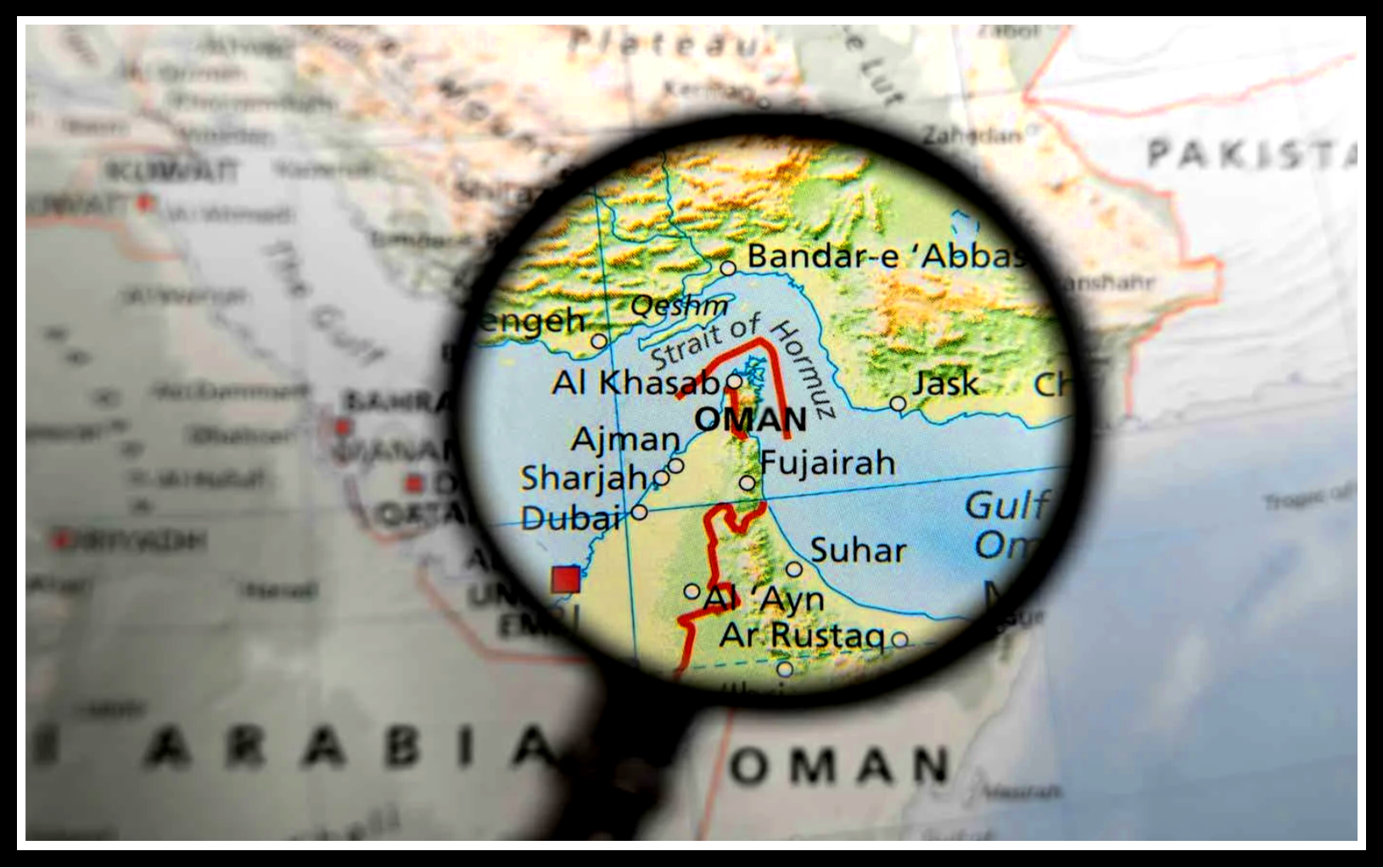
I want to go back to the talks in Oman. Oman’s foreign minister, Badr Albusaidi, spoke publicly just last week on Face The Nation about progress he believed had been made. He described a framework where Iran would not accumulate enriched uranium at weapons-capable levels. Zero stockpiling. Downblending existing material. Full IAEA verification. Even the possibility of broader inspection access if a durable deal were reached.

If that framework was real, it should have mattered. A country that cannot accumulate weapons-grade material cannot build a bomb. And yet here we are.

Was diplomacy actually advancing, or was it serving as a holding pattern while military decisions were already in motion? If an off ramp existed, why was it not taken? If it did not, why were we told progress was being made? That question sits heavily with me.

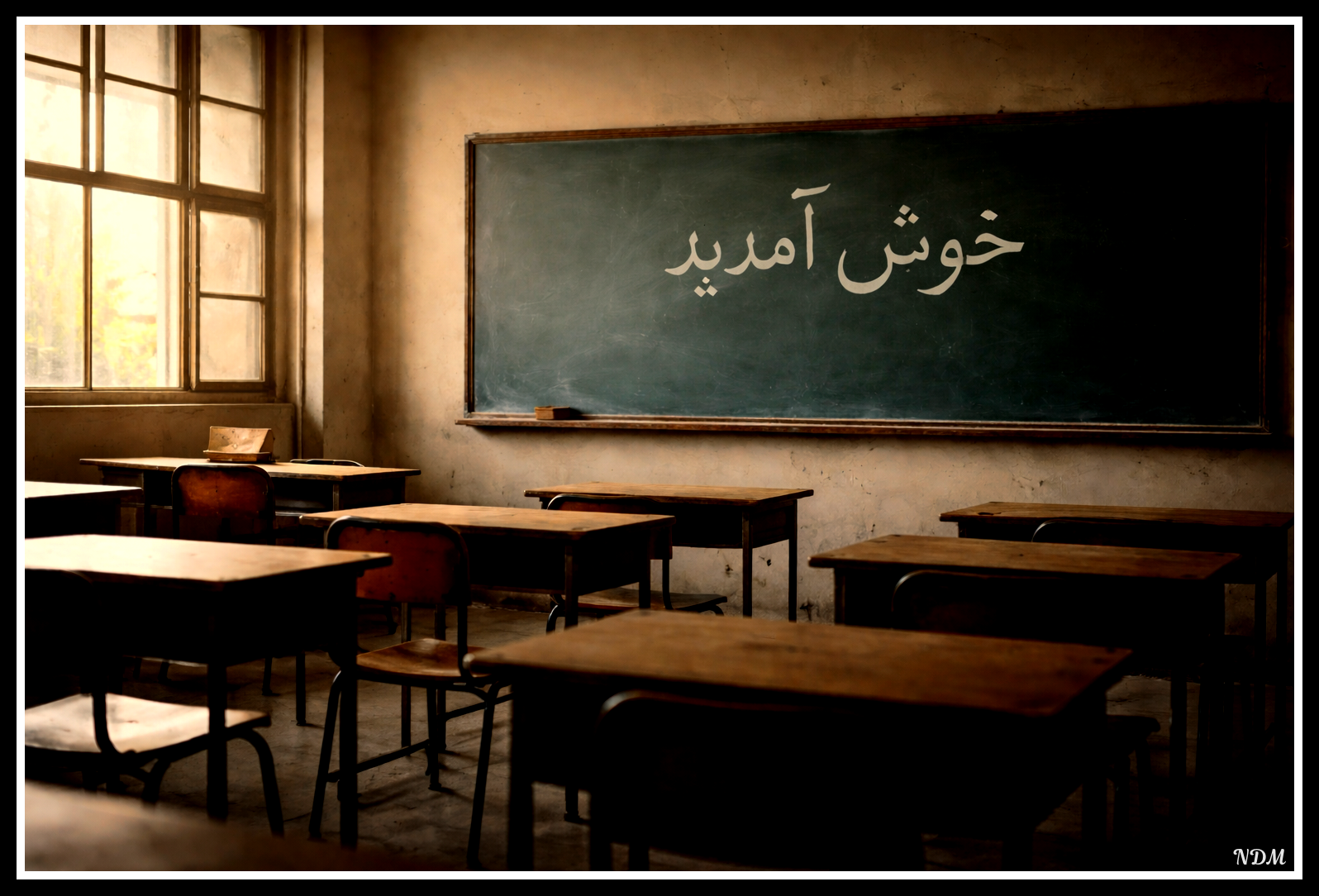
And then there is the girls’ school. I am not suggesting it was intentionally targeted. I am not assigning motive. The fog of conflict is thick, and information remains incomplete. But in a country where we are repeatedly told that girls’ education is restricted, contested, suppressed, the irony is devastating. Girls were in classrooms. However imperfect the system. However constrained the curriculum. They were learning. And in the opening hours of escalation, it was a girls’ school that became part of the casualty count. Those girls were not the regime. They were not negotiators in Oman. They were not architects of uranium policy. They were children at desks.

We talk about enrichment levels and verification regimes. We debate stockpiles and inspections. And in the middle of that language were girls trying to be educated in a country where that education has already been fragile. If Western military action contributed to their deaths, we cannot simply glide past that because the target list was strategic. Civilian reality does not dissolve because the intent was something else.

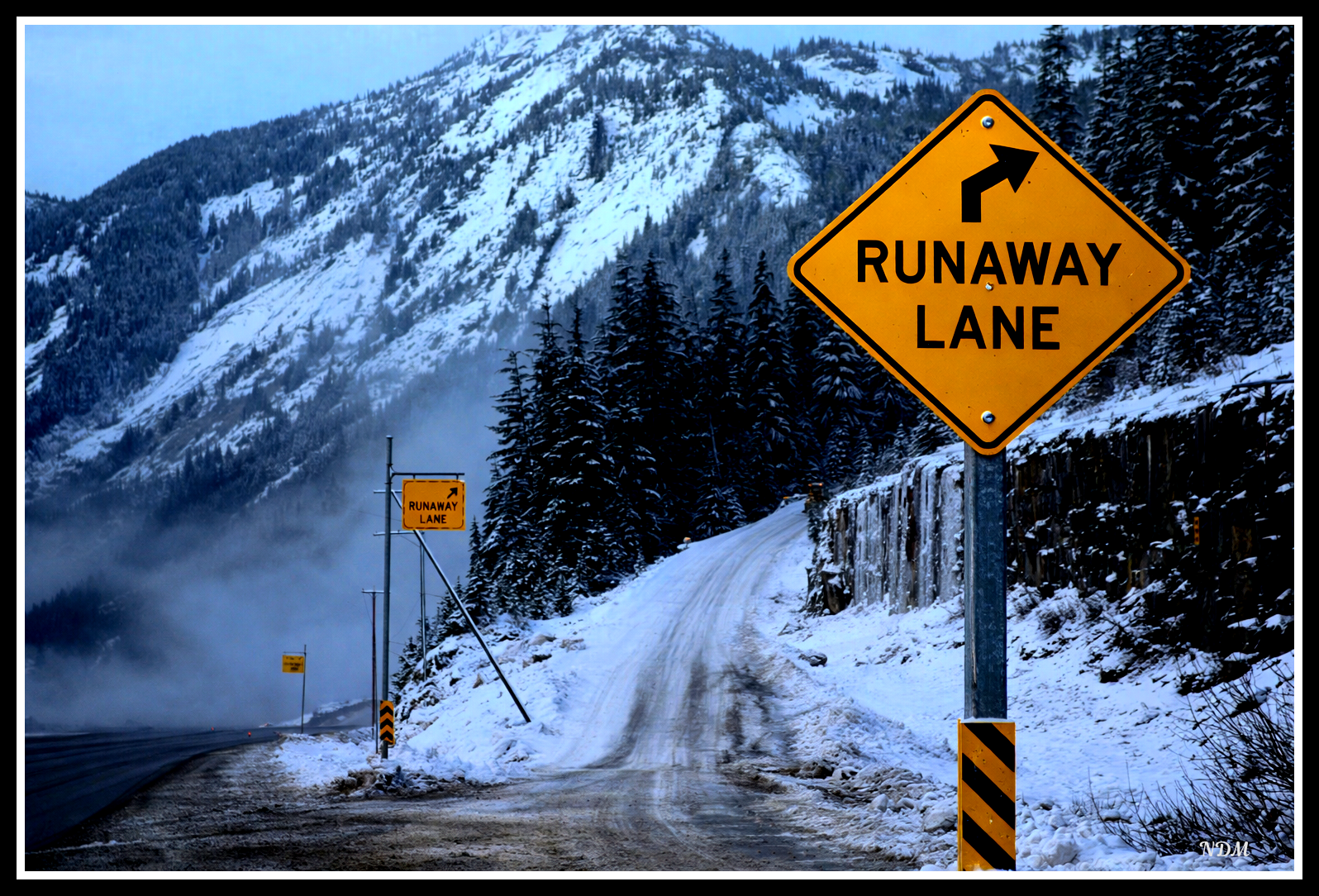
That image has taken the humour out of me. I usually write with dark edges when I can see the pattern. I reach for aviation metaphors when there is a visible runway. Right now I cannot see the landing lights nor can I see the exit.

And I cannot ignore another layer. In the United States, a significant portion of enlisted service members come from working class communities. Rural counties. Small towns. Areas where college pathways are less accessible and military service offers structure, mobility, education benefits, and economic opportunity. That is not criticism. That is reality. For many families, enlistment is a pathway forward.

Demographically, many of those same communities lean conservative. Many supported Donald Trump in part because they believed promises of strength, restraint, and no new wars.

So I cannot help but ask, quietly but plainly: if this escalates beyond the air, if it moves from drones and aircraft to boots on the ground, how will those parents feel? The ones who believed this administration would avoid new entanglements. The ones whose sons and daughters signed enlistment papers hoping for advancement, not open-ended conflict.

This is not an attack on voters. It is a question about consequences. Because escalation has layers. The Gulf of Hormuz and oil and gas flows are not abstract. China’s energy imports are not a footnote. When global arteries constrict, the impacts spread. Markets reacts, prices rise and alliances are strained. Once the machinery of war begins moving, it does not always respond neatly to political messaging.

We are only a few days into this, and instead of firm objectives, we have shifting language. Instead of a clearly marked end state, we have ambiguity. That is what unsettles me most.

Leadership, especially in moments like this, requires clarity of purpose. It requires defined objectives, visible guardrails, and a credible end state. Right now, from the outside looking in, that clarity does not appear to exist for the U.S. The messaging keeps shifting, the tone keeps changing and the stated goals feel elastic.

When a nation moves toward escalation, steadiness is not optional. Direction is not a luxury. It is the foundation. If diplomacy was genuinely within reach, show us how close it was.

If it was not viable, explain why it collapsed. If deterrence is the goal, define what success looks like. If something larger is underway, say so plainly.

Because wars are easier to ignite than to extinguish. Verification systems take years to build and moments to shatter. And the first images many of us are holding include girls in a classroom with the word welcome still written on the board.

Are we moving forward with a plan, or simply forward without a compass?

Why Now?

Posted: March 2, 2026 in Uncategorized

I cannot get one line out of my head from today’s briefing. “We are not defenders anymore. We are warriors.” I have replayed it several times, trying to decide whether I am overreacting or whether my instincts are correct. Because words matter. Especially when bombs are falling.

For decades, the American military has described itself as a defensive force. Even when conducting offensive operations, the framing has been clear. It exists to defend the Constitution, to defend the homeland, to deter threats, to protect allies. That distinction has always mattered. It has mattered to Americans and it has mattered to those of us watching from allied countries like Canada. Defence implies restraint. Defence implies necessity. Defence implies force as a last resort.

Warrior implies something different. A warrior fights. A warrior embraces lethality as identity. A warrior is trained to kill and break the will of the enemy. None of that is morally shocking in a military context. Militaries exist to fight. But when civilian leadership stands at the Pentagon and declares that the force is no longer a defender but a warrior, that is not casual rhetoric. That is an identity shift. Three months ago, through executive messaging, the administration began referring to the Department of Defense once again as the Department of War. We all know Congress did not legally rename it. That would require legislation. But signage changed, messaging changed and more specifically the symbolism changed. And symbolism is not accidental. When leadership chooses to elevate “War” over “Defence,” it signals posture, direction and mindset.

Now we hear “We are not defenders anymore.” It is hard not to see the alignment.

The Secretary’s remarks today were not delivered in the clipped, cautious language of a standard Pentagon briefing. They were sermon-like in cadence. There was prayerful language, invocation of biblical wisdom, generational framing, moral certainty. It sounded less like a policy update and more like a proclamation. That may resonate deeply with some Americans. For others, it raises questions about how war is being framed.

In contrast, General Kane’s operational update was measured and factual. He acknowledged losses. He spoke of duration. He described complex integration across domains. He made no identity declarations. He spoke as a professional soldier describing major combat operations that will take time and will likely cost more lives. The contrast in tone was striking.

Which brings me back to the question I cannot shake. Why now?

If this is not regime change, and they have explicitly said it is not, then what is the defined end state? If this is not occupation, and no one is suggesting boots on the ground in the traditional sense, then what does “finishing it” actually mean? Air superiority can be measured. Missile degradation can be measured. Nuclear facilities can be struck. But political transformation is something else entirely.

Over the past day I have been speaking with people I know in the Middle East. One friend from southern Lebanon, who has family being evacuated told me that his parents, grandparents, great grandparents and generations before them have lived with cycles of unrest. For Americans, 1979 may feel like the beginning of this story. For many in the region, it is one chapter in a much longer one. When American leadership speaks of a generational turning point, people in the region hear something different. They hear another turn of the wheel.

That does not mean Iran’s actions are benign. It does not mean missile programs and nuclear ambitions are not serious threats. It does mean that rhetoric about warriors and finishing a decades long conflict raises expectations that air power alone rarely fulfills.

I am Canadian. These are not my armed forces. But as an ally, and as someone who believes deeply in democratic institutions and civilian oversight, I care about how force is framed. Democracies have historically been careful to describe their militaries as defenders, even when fighting offensively, because the legitimacy of force rests in protection, not in identity built around war itself.

So I will ask it plainly, and I direct this directly to the President of the United States. What is your end goal? What is the defined, measurable, durable outcome that justifies this moment?

And to my major question. Why now?

Perhaps there is intelligence we are not privy to. Perhaps a threshold was crossed. Perhaps deterrence had failed and waiting carried greater risk. If that is the case, say so clearly. Define the objective. Define success. Define the off ramp.

Because warrior is a powerful word. And once embraced as identity, it shapes how a nation sees itself and how it acts.

When we move from defender to warrior in how we describe ourselves, it is not unreasonable to ask why, and what comes next.

The World On The Board

Posted: March 1, 2026 in Uncategorized

Twenty four hours later, much of what I am about to say will sound familiar. The constitutional questions remain. The strategic concerns remain. The escalation remains. What has changed for me in the last day is the perspective.

Yesterday I was reacting to breaking information. Today I stepped back from the noise. I stopped replaying panels and started speaking to people in my own circle who still have family inside Iran. I needed to understand how this feels from the inside out, not just from the studio desk down.

Ayatollah Ali Khamenei’s death has now been confirmed. It is historic. But it is not synonymous with collapse. Iran did not build a one man system. It built a layered one. Succession planning was designed precisely for this moment. The Islamic Revolutionary Guard Corps retains operational control. Regional commanders do not require daily instructions from Tehran to act. The system absorbed the hit it was engineered to absorb.

There is still no official successor publicly named, but those believed to be next in line carry a similar ideological profile. That should temper celebration. History suggests that when leadership is removed by force, successors often harden rather than soften. A decapitation strike is an event. It is not automatically transformation.

Retaliation has expanded. The IRGC has launched additional waves of missiles and drones. Israel reports eliminating dozens of senior commanders. What we are watching looks less like resolution and more like the opening phase of sustained confrontation. Escalation met with escalation. The Strait of Hormuz remains an economic fault line through which roughly twenty percent of the world’s oil flows. T

There have been no public NATO Article 4 consultations and no Article 5 invocation. That distinction is important. As of now, no treaty threshold has been triggered. But if American forces are directly struck in a manner that meets that bar, the conversation changes quickly. We are not there yet.

Prime Minister Carney’s statement remains carefully calibrated but it has been seen negatively by some. It condemns Iran’s regime and supports preventing nuclear proliferation. It does not explicitly endorse the strike, nor does it explicitly reject it. He walks a narrow diplomatic line. He is in India focused on trade. It is reasonable to expect questions at his press conference that is scheduled for this afternoon. Precision matters in moments like this.

What weighed on me most over the last twenty four hours was listening to Iranian voices. One friend who grew up before the revolution and whose family still lives there told me they feel relief at the death of a man who presided over repression. But that relief is not celebration. It is layered with fear. Fear that hardliners consolidate power. Fear that foreign engineered regime change will not bring freedom. Fear that ordinary people will once again pay the price for geopolitical ambition.

That nuance rarely makes it onto television panels. But it is real.

There has also been commentary describing this as a war of choice. No publicly demonstrated imminent nuclear strike was underway. Intelligence assessments reportedly did not indicate an immediate attack on U.S. soil. That is important because there needs to be a justification. The administration has used the word war. If this is war, Congress has a constitutional role. War powers exist precisely for moments like this. Lawmakers now face a decision about whether they will assert that authority or allow executive precedent to expand.

History shows that external conflict can consolidate domestic power. It can narrow debate. It can shift headlines. That does not make every war cynical. It does mean timing deserves scrutiny. When major military action intersects with internal political strain, citizens are justified in asking hard questions. That is where accountability is reviewed.

Twenty four hours later, I am not calmer. I am more deliberate.

The move has been made but the board is not reset and the world is still on it.

What Comes After The King Falls?

Posted: February 28, 2026 in Uncategorized

I have spent the last several hours listening, reading, and trying to separate confirmed fact from broadcast momentum. There are now widespread reports, including from Al Jazeera citing Israeli sources, that Iran’s Supreme Leader, Ayatollah Ali Khamenei, has been killed. It is unquestionably a historic moment. But history is not the same thing as clarity.

The United Nations Secretary General has warned that military action carries the risk of igniting a chain of events no one can control in one of the most volatile regions in the world. He went further and said that the peace of the world could be significantly impacted by today’s events. That is not rhetorical language. That is diplomatic alarm.

Let me also be clear about something else. Ayatollah Ali Khamenei presided over a regime that has brutally suppressed its own people and destabilized the region for decades. That truth does not require hesitation. But more than one thing can be true at the same time. A regime can be oppressive, a leader can be dangerous, and a military escalation can still be strategically reckless. Those realities do not cancel each other out.

Here is where I struggle. If Iranian nuclear capability was significantly degraded last June, as we were told, why is this moment suddenly urgent? If the threat was contained then, what changed now? And if it was not contained then, were we misled? These are not partisan questions. They are questions of credibility. I know to say distraction as in Epstein for Trump and Palestine for Israel is not the factual based presentation I strive for but I can’t help going there.

The President has used the word war. If this is war, then Congress has a constitutional role. That role does not disappear because timing is sensitive or intelligence is classified. If unelected members of a cabinet can be cleared to receive intelligence, then elected representatives of the American people can be cleared as well. Going to war cannot be a matter of executive instinct alone.

And if the Supreme Leader is in fact dead, what does that actually change? He was eighty six years old so the regime would be keenly aware of his life expectancy. Iran is a layered system with succession planning. The Islamic Revolutionary Guard Corps retains operational power. Removing a figurehead does not automatically dismantle an institution. It can just as easily radicalize it further.

Retaliation has already spread beyond a single battlefield. Cities in the region are feeling the impact. Military bases are on alert. The Strait of Hormuz sits there as an economic tripwire. Twenty percent of the world’s oil moves through that corridor. This is not a contained event.

Trump promised no new wars. He promised a focus at home yet today we are hearing the language of war. I am frightened by the scale of what is being set in motion. Not because the Iranian regime is defensible. It is not. But because decapitation is not the same thing as strategy. Regime change is not a slogan. It is a mechanism. And that mechanism has not been explained.

A king may be gone. Perhaps removing a king feels decisive but it is not the same thing as winning the game. The board remains, the pieces remain, the alliances remain, the grievances remain and the institutions that hold power inside Iran remain. Strategy is not the capture. It is what follows. And that part has not been explained. Is this the beginning of yet another forever war, one that slowly widens until alliances are pulled in and treaty obligations are tested? If this escalates and American forces are struck directly, NATO consultations are not theoretical. Canada is not a spectator in that scenario.

The world is watching because this may not be only about Iran. It may not be only about the Middle East. The economic shockwaves, the alliance structures, the great power calculations, the precedent being set about leadership strikes and regime change, all of it extends far beyond one border.

The question is no longer whether a king has fallen. The question is how far the consequences of that move will travel.

I know. I am forever trying to find a fairy tale to explain modern politics. Maybe it is because fairy tales make hard things easier to see. Maybe it is because the stories we were told as children were never really for children at all. They were about power, risk and survival. So bear with me.

Yesterday at the Economic Club of Canada, Pierre Poilievre delivered two speeches inside one.

The first was Gravitas Pierre. He managed to present himself as measured and calm. Quoting Marcus Aurelius and saying Donald Trump was wrong about trade. Calling the “51st state” line unacceptable. Proposing an all party committee on the USMCA review. Speaking about stability and focusing on what Canada can control at home.

I listened carefully. I always do. I have written before that if you believe the government is getting something wrong, then tell us what you would do differently. That is fair. So I was prepared to hear him out.

The second speech was Strategic Contrast Pierre. That was the part aimed directly at Mark Carney. That was where he warned against declaring a permanent rupture with the United States in favour of a strategic partnership with Beijing. That was where he said Canada’s prosperity and security are inseparable from a stable relationship with the United States.

And this is where the real debate lives. No serious Canadian wants a rupture with the United States. It is our largest trading partner, our defence ally, our neighbour in geography and history. Our supply chains are integrated. Our energy systems are connected. Our agricultural exports move south and beyond.

But integration is not immunity.

The current government’s argument has not been to replace Washington with Beijing. It has been that the global order is shifting, that American politics has moved toward protectionism and transactional leverage, and that Canada must diversify accordingly. Diversification is not betrayal. I see it as more of an insurance.

Out here in Western Canada, we understand insurance. Farmers hedge against drought. Energy producers hedge against price swings. You do not tie your entire year to one unpredictable weather system and call that loyalty. You plan for volatility.

Which brings me back to the fairy tale.

In The Three Little Pigs, one pig builds with straw because it is quick and easy, assuming tomorrow will look like yesterday. The second builds with sticks, sturdier but still dependent on the hope that the environment will remain manageable. The third builds with brick, not because he dislikes the wolf, but because he understands that the wolf is a structural fact.

The wolf does not respond to sentiment. It does not care about tone. It tests whatever stands in front of it.

That is the divergence in front of us. One diagnosis says this disruption is temporary and the old house will stand again with a bit of calm and cooperation. The other says the disruption is structural and that we must reinforce before the next gust of wind arrives.

Recalibration means strengthening ties with Europe, building alliances with other middle powers, reinforcing defence commitments, expanding trade in Asia beyond any single country, and building economic sovereignty at home so leverage runs both ways. That is not anti American. It is pro Canadian.

I know some readers assume they already know which political box I sit in. Over almost fifty years of voting, they would likely be surprised. I have voted based on leadership and competence each time. I do not cheer for jerseys only.

So yes, I listened to Pierre Poilievre with an open mind. He deserved that. He showed discipline. He moderated his tone. He stepped more seriously into foreign policy territory. But be assured I am NEVER going to be a Poilievre supporter. I am just making sure I listen so I can write from an objective position.

Lowering the volume is not the same as reinforcing the structure. Canada is a trading nation of almost forty million people woven into global capital markets, defence alliances, and supply chains. Our farmers, our energy workers, our manufacturers, our ports, and our Arctic sovereignty depend on resilience in a world that is less predictable than it was twenty years ago.

We can prefer the house we remember, the one that felt sturdy enough in calmer weather, or we can acknowledge that the storm patterns have changed and build accordingly. Canada does not get to rely on fairy tales about how things used to work. It gets consequences if it misjudges the wind.

Just 3 lemons and 2 limes…

Posted: February 26, 2026 in Uncategorized

I thought I ordered three lemons. Just three. Not a citrus stimulus package. Not a small Mediterranean export strategy. Just three lemons to go with chicken tenders and maybe a Caesar salad if I was feeling ambitious. Apparently what I actually ordered was bulk optimism.

The delivery arrived and I opened the bag to discover mesh sacks. Plural. Lemons. Limes. Enough vitamin C to carry a minor nation through flu season. I stood there staring at the counter like I had accidentally opened a roadside produce stand in my own kitchen. At no point did I check the price. At no point did I notice the word “bag.” At no point did I pause and think, self, this is Costco. Since when do they deal in singles? No. I clicked confidently.

This is entirely on me.

Somewhere in the digital grocery universe there is an algorithm that absolutely knew what it was doing. You want three lemons? Of course you do. Here are three bags. And while we’re at it, have two sacks of limes. Go big or go home.

And somewhere in all of this citrus abundance there is probably a subtle political lesson, because sometimes you think you’re ordering just a little change and then the truck backs up and unloads wholesale transformation onto your front step.

I do occasionally wonder if some folks in the United States thought they were ordering three lemons and instead received an entire warehouse of unpredictability. Maybe they didn’t read the quantity carefully. Maybe they assumed how different could it be.

Meanwhile, up here, I would argue Canadians are fairly savvy shoppers. When we placed our order for Carney, we knew we were getting steady hands, spreadsheets, and bulk fiscal frameworks. It wasn’t flashy. It wasn’t single-serve drama. But we checked the label. We understood the sizing. We knew it was going to arrive in institutional quantities of policy.

And since I apparently cannot write anything without making it political, here is a small note to my fellow Albertans. When that promised, or threatened, referendum list finally lands in front of us, read the fine print. Carefully. Because as I have just demonstrated in spectacular citrus fashion, one small word like “bag” can make a very big difference.

Did I learn a lesson? Yes. Will I still order from Costco as though it might suddenly embrace minimalist quantities? Also yes. But next time I click “three,” I will make absolutely certain I know whether I am buying garnish… or governing philosophy.

In the meantime, if anyone needs lemons, I appear to be running a very well-stocked democracy.

Silver Over Gold

Posted: February 25, 2026 in Uncategorized

I said I would watch it so that I could write about it. I did. It was not easy to sit through, but I did promise… It was not easy, but if we are going to speak honestly about leadership, we have to be willing to watch, to hear, and to reflect.

Credit where it is due. Donald Trump did not go completely off the rails. He delivered a long speech and stayed mostly within the prepared lines. His supporters likely felt reassured. He appeared energetic. He appeared controlled. That alone probably achieved part of what the night was designed to do. But performance is not the same as truth.

Before anything else, let us clear up one small but telling idea. Presidents do not win Olympic hockey games. Teams win hockey games. Athletes win medals. Leadership is direction, steadiness, and truth spoken with responsibility. Nations are not defined by borrowed victories.

Much of the speech repeated claims that have already been challenged by independent fact checkers. On Iran, the president suggested that the country has never publicly said it would forgo nuclear weapons. In reality, Iranian officials have made such statements more than once in public forums. What is said behind closed doors remains unknown, but publicly, those words have been spoken.

On crime and immigration, a tragic killing was once again linked to open borders. Available reporting indicates the accused in that case was born in the United States. It was a terrible crime. It was not proof of a broken border. The repeated claim that thousands of murderers were allowed into the country under a single administration has also been shown to distort long term data that spans multiple decades and presidencies.

And then there were the moments that revealed something deeper. One observer described the speech as a tedious, tiresome performance in which the president seemed to be boring everyone, perhaps most of all himself. Another pointed to the more troubling theme of the night, his continued effort to erode confidence in democratic elections. Claims that cheating is rampant, that opponents only win through fraud, and that the system itself cannot be trusted are not small political talking points. They strike at the foundation of democracy itself.

Facts matter. Especially when spoken from the most powerful podium in the world. Still, facts alone are not what stayed with me. What stayed with me was tone.

There were moments in the speech meant to show empathy. Veterans were honoured. Service was recognized. Sacrifice was acknowledged. These moments matter and they should.

But empathy cannot be selective. In the same speech, other human beings were reduced to categories, to threats, to problems. Immigrants spoken of not as people with stories, but as dangers. Undocumented does not erase dignity. It does not erase humanity. A leader cannot elevate the humanity of one group while diminishing another. Compassion is not something that can be divided and distributed only where it is politically convenient.

Leadership is direction. Leadership is steadiness. Leadership is truth spoken with responsibility. While the speech framed America as broken, Canada continues its quieter work. The measure of this country called Canada has never been based on how loudly it declares strength. It is measured by whether its institutions hold, whether its facts stand, and whether its people remain bound by a shared commitment to dignity.

The United States has long been seen as a beacon. Imperfect, yes, but a light. A country that, despite its struggles, tried to move forward and in doing so inspired others to believe that democratic institutions could endure. Yet listening last night, one would think it was a shattered and hopeless place until one man arrived to rescue it. That is the part that troubles me. When a nation begins to believe that everything before was failure, that everything around it is a threat, and that only one voice can restore greatness, something deeper begins to change. The light does not grow stronger. It begins to flicker. And when that light flickers, it is not only Americans who feel it. The world does. As many have said this week: “I would rather be a citizen of Canada with a silver medal than a citizen of the United States with a gold medal.”

I grew up on the coast. Lighthouses were never symbols to me. They were real, solid and necessary. They stood through storms, through darkness, through uncertainty. They held their light so others could find their way. The tragedy is now that a nation is allowing a light to dim in believing that a loud voice can be more important than what has been their compass and direction for almost 250 years.

The speech was called the State of the Union. But the state of the union, beyond the name of the speech, now feels like a shoreline where the lighthouse light is fading. A world without a steady beacon is a far more dangerous place.

And when the storm rises, it is not the loudest voice that guides us home. It is the lighthouse that still has the strength to shine.

My Happy Place

Posted: February 25, 2026 in Uncategorized

I have travelled to many warm places in my life, the Bahamas, Hawaii, Florida, different corners of Mexico, beautiful places, all of them. But happiness is not always about beauty. Sometimes it is about belonging. And for reasons I cannot fully explain, when I arrive in Puerto Vallarta, something inside me settles. My breath feels deeper. My body feels lighter. The noise of life softens.

I have been going there for decades now, long enough for it to become part of my story. Over time, our connection has grown even more meaningful, as my youngest son’s life has become intertwined with this beautiful community through someone he cares about deeply who was born and raised there. What was once simply a place I loved has become something more personal, more rooted.

Some people say they have a spirit animal, something that grounds them, something that feels like home in a complicated world. I have something different. I have a spirit place on this planet. Puerto Vallarta is that place for me. It is where I feel most myself, most at peace, most whole.

Just a week ago I was there again. I walked familiar streets. I listened to the sounds that now feel like memory. My husband could not be with me this time, and yes, his absence was felt, but my joy was still real, because this place itself brings me calm.

I am not writing about headlines today. There are many voices doing that. I am writing about something else, but rather about connection, about loyalty, about the places that steady us when the world feels loud.

There is something about time there, the way it slows, the way the air feels softer in your lungs, the way your body remembers how to rest and your spirit remembers how to heal. It is not just escape. It is restoration.

This morning, I had already planned to book my next visit. As I watched events unfold and uncertainty filled the day, I paused but I did not change my mind so book I did. That trip is still a couple of months away, and I believe, as I always have, that things will be okay. And so, I will return. Not recklessly. Not blindly. But intentionally.

Because Puerto Vallarta is not just where I vacation. It is where I breathe differently. And because the people there, kind, resilient, generous people will be facing difficult economic days again after already rebuilding from so much loss after Covid. Tourism is not just leisure there; it is livelihood, dignity, and hope. My presence will not change the world, but perhaps, in a small way, it contributes to theirs.

Some may not understand this choice. That’s alright. We each choose what brings us peace, especially as life teaches us how precious joy truly is.

I cannot fully explain the magic of Puerto Vallarta. But if you know, you know. And when calm returns, so will I.

Nancy

Reading The Wind

Posted: February 21, 2026 in Uncategorized

There are moments when Alberta feels less like a province and more like a windsock in a prairie gale. This week was one of those moments. Our premier stepped up to the microphone to unveil a fall referendum and managed to say a great deal while explaining very little. Nine questions, we are told. Nine. Immigration, courts, federal powers, social programs, constitutional rewrites. A political weather system moving in all directions at once. Many of the ideas being floated are either already within provincial jurisdiction, legally impossible, or constitutionally fantasy. But clarity was never the objective. Distraction was.

And the direction keeps shifting. Let us start with immigration. We are told newcomers are overwhelming housing, healthcare, social programs. The familiar refrain. Yet in very recent history, in 2024, this same premier asked Ottawa to increase immigration to Alberta. At the time it was economic growth. Now it is crisis. Apparently policy, like a prairie gust, changes depending on which way the wind is blowing. How convenient.

While Albertans worry about emergency room closures, crowded classrooms, and grocery bills that now require emotional preparation, we are handed a referendum roadmap that reads like a constitutional storm warning. Provinces choosing judges for the Court of Kings bench, opting out of federal programs while still collecting federal money. Provincial laws overriding federal law. It is less cooperative federalism and more atmospheric disturbance.

Canada works, not perfectly but fundamentally, because we share a baseline. The same rights, the same protections and the same understanding that geography should not determine whether your child gets healthcare, education, or dignity. Pull that thread and the fabric weakens.

Then comes equalization, that perennial lightning rod. The myth says Alberta subsidizes the country. The reality is simpler. Canadians pay federal taxes based on income. Higher incomes contribute more. That is not punishment. That is math. Every functioning country redistributes to ensure no region falls below a basic standard of services. Alberta itself redistributes internally every single day. A small rural county with a lower tax base does not receive less healthcare because Calgary generates more revenue. We pool resources so dignity is not determined by postal code. That is not charity. That is how a country functions.

But facts do not whip as dramatically as fear.

When deficits grow and budgets tighten, it becomes easier to point outward. To Ottawa, to immigrants, to the courts or to anyone standing downwind. Distraction is cheaper than governance. Shift the narrative and hope no one checks the instruments.

And yes, the comparisons to the United States are becoming harder to ignore. Not identical. History never copies perfectly. But the tone is familiar. Institutions questioned. Courts framed as obstacles. Grievance sharpened into identity. We are watching a version of that script drift northward.

Meanwhile, south of the border, the United States Supreme Court has reminded a would be king that power has limits. The tariff chaos continues, and this particular ruling will not significantly change Canada’s current position because the tariffs affecting us sit largely outside that decision. So while Washington wrestles with its own turbulence, our immediate economic impact remains limited.

Which means we have no excuse not to focus on what is happening here. Countries rarely collapse in dramatic explosions. They erode quietly. One reframed narrative at a time. One redirected frustration at a time. One gust that nudges the heading just slightly off course.

I have lived in Alberta most of my life. I know its stubbornness and its generosity. I know the prairie sky that can look calm one minute and dangerous the next. This province built energy, farms, businesses, communities. It did not build walls. It did not thrive by chasing every passing storm front.

The referendum spectacle will continue. The budget will land. Oil prices will be blamed. Immigration will be blamed. Ottawa will be blamed. Everyone will be blamed except the people holding the controls.

And while all of that noise fills the air, I find myself thinking about heading.

About a country still moving forward. A country led federally by a Prime Minister who understands that steady hands matter more than dramatic gestures. That governing is not about whipping up wind, but about holding course.

Because somewhere between the prairie horizon and the national fabric, something is being tested. Not whether storms exist. They always will. But whether we chase them.

Aviation teaches you that not every wind is your enemy. Some lift you. Some slow you. Some force you to adjust in flight. And sometimes the wisest decision is to stay steady, keep control, and avoid turning turbulence into a spin. Pilots have long said there are old pilots and there are bold pilots, but there are no old bold pilots. The lesson is simple. Respect the wind. Hold your heading.

The world has enough storms right now. Alberta does not need to become one.