


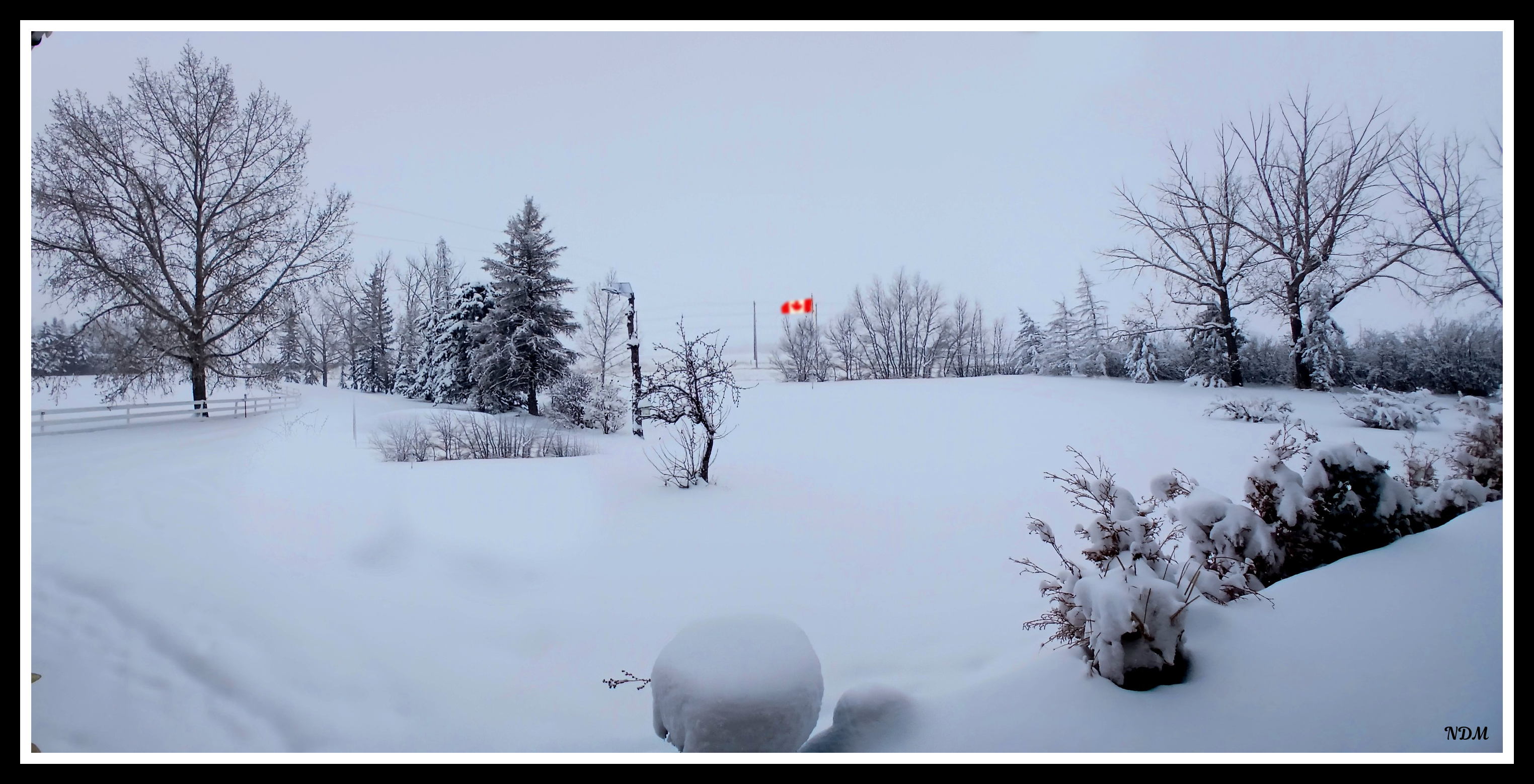
Last night I sat down with the intention of putting up my Christmas tree. But before I even touched the lights, I looked out my front window and saw what I always see this time of year: the quiet that villains underestimate, a winter prairie, a lone flag, and a province ready to string its own lights and write its own ending.
That was supposed to be my escape, a quiet moment to step away from politics, breathe, and let myself remember what this season means to me. But as I stood there untangling lights, my mind was racing in a dozen other directions: Putin announcing he will never give back the Ukrainian land he stole, the laws of armed conflict circling my thoughts, and now, because Alberta and specifically the UCP never miss an opportunity to raise the temperature… a new disaster is unveiled by our own government which a can only be described as a very dark fairy tale.
So let me tell it the way it came to me, standing in my living room with a half-lit Christmas tree and a full-body rant building.
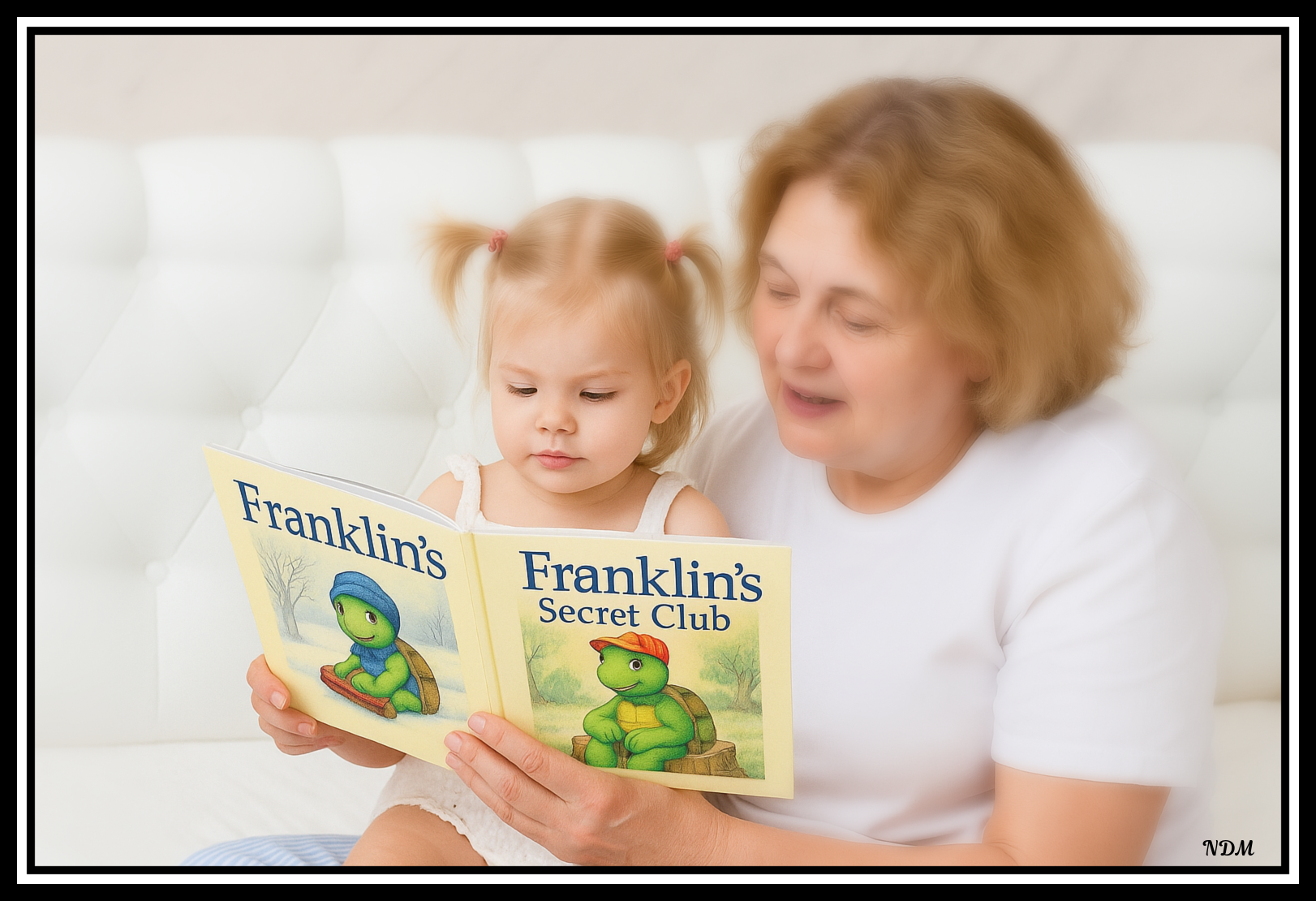
Once upon a time, in a province known for grit and generosity, there lived a woman who fancied herself a queen.
I think her name was Queen Danielle. She wore a crown forged out of grievance and applause, and behind her stood several shadowy figures, not through the will of the people, but through decrees disguised as “choice” and “freedom.” And alas they unveiled their latest spell: Bill 14.
Every fairy tale has a moment when the villain finally stops pretending. This was that moment. Bill 14 removes oversight from Elections Alberta. It clears a path for a separatist referendum petition even if it is unconstitutional. Even if it violates treaties. Even if it fails every requirement of the Federal Clarity Act. In the old storybooks, this is where the queen waves her wand and announces, “The rules no longer apply to me.”
And as I stared at my tangled Christmas lights, I thought, Oh my God. We are living inside the chapter where the queen rewrites the kingdom.
And here is where the fairy tale becomes prophecy: This is exactly how it started south of the border. Not with a bang, but with “technical changes,” “procedural tweaks,” and “temporary exceptions” that slowly gutted democratic safeguards. A slippery slope never feels like a slide until you’re already halfway down. Albertans need to understand, clearly, that what we are watching here is the same playbook being run in slow motion.
I’ve perhaps tried to deny the “Trump-lite” comparisons, but today it was impossible not to see it. South of the border, people are begging for a Congress that will stand up to a would-be ruler. Here in Alberta? Not one MLA in the governing party seems willing to stand up to Queen Danielle or the shadows behind her. They just nod, bow, and pretend this is fine.
But let me break from fairy tale language for one crucial, real-world point: The government are saying the separatists need to do the same petition Forever Canadian did. Except they don’t.
Because they changed the rules. They only need half the signatures Forever Canadian gathered. And they get an extra month.
Forever Canadian began with a petition. As Thomas A. Lukaszuk has said many times: we have moved from petition into momentum. And now, we move from momentum into MOVEMENT because what is coming requires every single Albertan who cares about our future to show up. If you signed the Forever Canadian petition before or you volunteered or canvassed we still need you to sign into the system again. Not to re-sign the petition, but so we have accurate, up-to-date information for the work ahead. And if you’ve never heard of this until today please sign up now. forever-canadian.ca
But now this is the part of the fairy tale where the villagers decide whether they show up or surrender the ending to someone else.
And I’ll tell you exactly where I stand. If there are calls to be made, I’ll make them. If there are doors to knock, I’ll knock them.
If there is organizing to be done, I’ll do it. If we need to rally again, I’ll be there, boots on, voice ready.
Because Alberta already said, loudly, that we want to remain part of Canada. And I refuse to let an cabal of ideologues twist the story into something none of us asked for.
I wanted last night to be about Christmas lights. But villains don’t schedule their power grabs around my holiday decorating.
And this fairy tale can only end one of two ways; when the people give up or when the people rise I know exactly which ending I’m fighting for.
If you’re reading this from the United States, please know this: we see what’s happening to you, and we are determined to stop that slide from taking hold here. We’re fighting it now, while we still can.
If you’re reading this from elsewhere in Canada, understand how critical this moment is. Alberta is part of our country, and protecting that bond protects us all. And if you’re reading this here in Alberta… well, you already know what needs to be done. Our province is worth fighting for, and we’re not letting anyone rewrite its future.
The fairy tale isn’t over but I’ll be damned if we let the villains write the ending.




 Nancy's Notes