Canada Geese

Posted: November 15, 2025 in Uncategorized
Tags: , , , ,

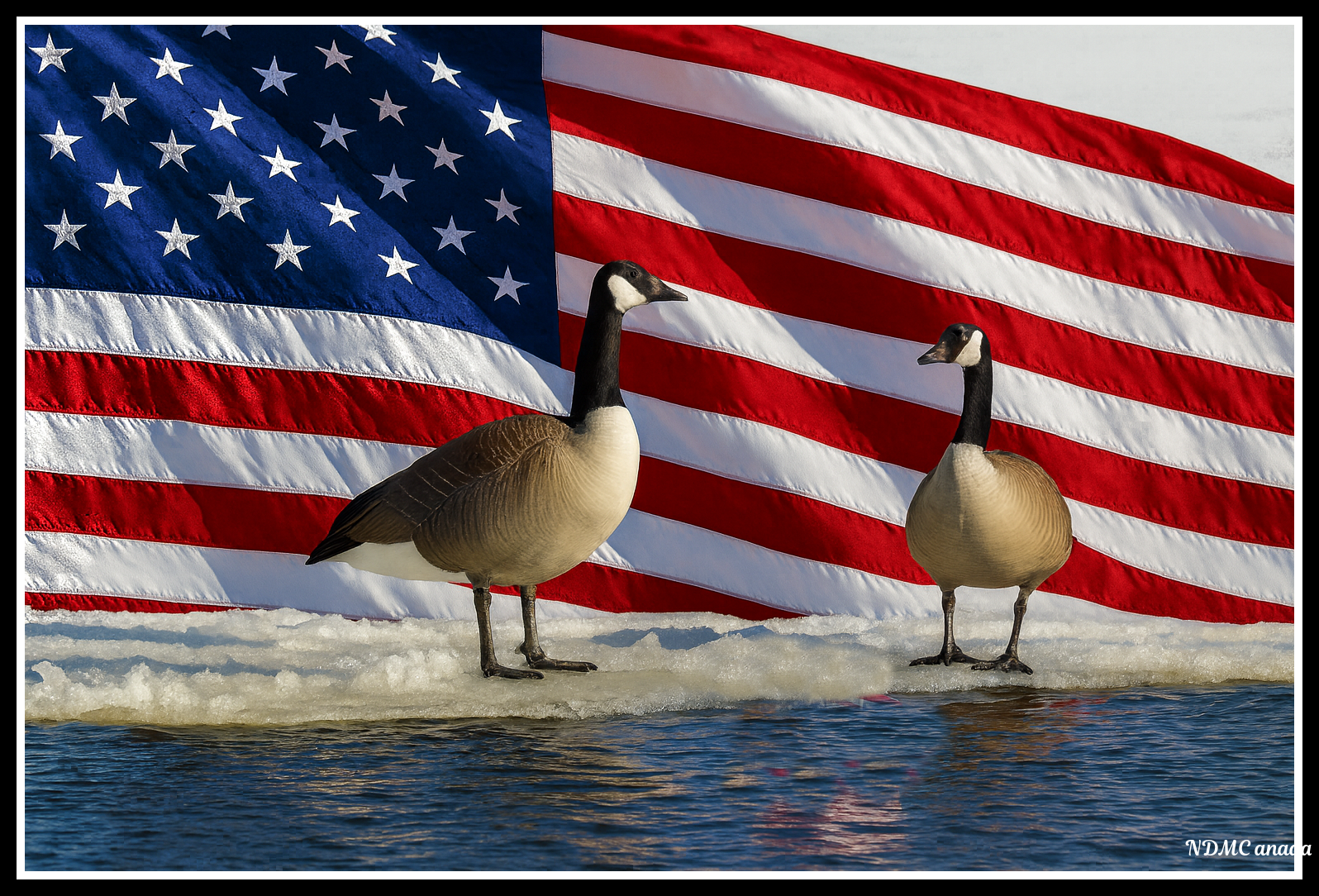
This crisp late-fall day has the last of the stubborn geese circling overhead, honking like they’re still debating whether they should go south this year. And honestly, given the state of things, who can blame them for hesitating? So many stayed last year. Maybe the ones still lingering on the canal took one look at the southern border and said, “No thanks, we’ll risk the frostbite.” They’re out there bobbing on the water, perfectly content, not looking the least bit anxious about moving on.

And yes, I hear you. “Nancy, what on earth does this have to do with anything?” Well, apparently more than I realized, because my brain seems to be looping back to the United States whether I mean to or not. And today, what I keep circling around is the moral cesspool that is the Epstein file situation.

Let me start with something I’ve said before and I will not soften here: I’m not sure there is a more repugnant human being walking this planet than Donald Trump. Inside politics, outside politics, take your pick. The man is rot.
But here’s where we weaken ourselves: when we focus solely on trying to label him a pedophile. I don’t know what he did or didn’t do sexually, and I don’t pretend to. What I do know, and what any thinking adult can see is that Donald Trump knew exactly who Jeffrey Epstein was, and exactly what he was doing.

You cannot orbit that world and be oblivious. You cannot spend years around the man and be unaware. Epstein did not become wealthy through brilliance or talent. He didn’t finish school. He was a mediocre Wall Street guy who somehow ascended into extreme wealth and extreme access.

And there is only one explanation that makes sense: his business model was procuring young girls for powerful men. That was his commodity, his leverage and his power. And that is why “follow the money” matters here in a way that truly exemplifies that phrase.

Because is not only about sex crimes, as monstrous as they are. This is about power, money, leverage, and protecting wealthy men whose reputations, careers, and political futures rest on keeping those files sealed. Some of those wealthy men are allies of Donald Trump. Some are donors. Some are defenders. Some are simply adjacent in ways that make everyone very, very nervous.

Now Trump has announced he wants an “investigation” but only into a small, cherry-picked group of Democrats he personally despises. He wants the process sliced to his convenience, weaponized for his grudges, and stripped of its full truth.

And how anyone sees that as fair, moral, or acceptable is beyond me.

If we are serious about justice, then every single person in those files must be investigated. Every billionaire, every celebrity, every politician and every hanger-on. I don’t care if they’re 97 years old and bedbound, if they hurt children, they answer for it.
And yes, Donald, that includes you. If you’re innocent, fling open the vault and prove it. People who are innocent don’t limit investigations. People who are innocent don’t curate lists. People who are innocent don’t fear daylight.

After the last U.S. election, the one that devastated me, I said something I’ll repeat again: Senators, congresspeople, look at your daughters and granddaughters when you vote. Because you have already failed them once. Do not fail them again. Two things matter now: Every Epstein file must be released. Every document, every ledger, every associate. Not some. Not the convenient ones.
All of them. AND Donald Trump must say he will NOT pardon Ghislaine Maxwell, a convicted sex trafficker. If he refuses to do that, then he is telling the world exactly what, and who, he is protecting.

And let me sharpen the line that needs no misinterpretation: This request to open the files will pass Congress, and will hopefully pass the senate. But if this reaches Trump’s desk and he blocks transparency, that is not confusion. That is not bureaucracy. That is not “procedure.” It is a choice, a deliberate act to protect himself, his allies, and any powerful man whose name appears where he doesn’t want it to.

He is not shielding America from scandal. He is shielding himself from accountability. There is no other story.

And that brings me back to the geese. They’re still out there on the canal, doing what geese do: watching the water, watching the temperature, responding to the world exactly as it is. They don’t only fly south out of tradition or habit. Actually they move when nature tells them it’s time, when the freeze takes hold, when the signals become impossible to ignore. They survive because they read the conditions honestly.

Americans are standing in that same moment. The water is cooling. The ice is forming. The warning signs are right in front of them. The geese will lift off when the freeze becomes undeniable.
The question is whether Americans will finally do the same, not by fleeing, but by refusing to let lies, secrecy, and power bury the truth any deeper.

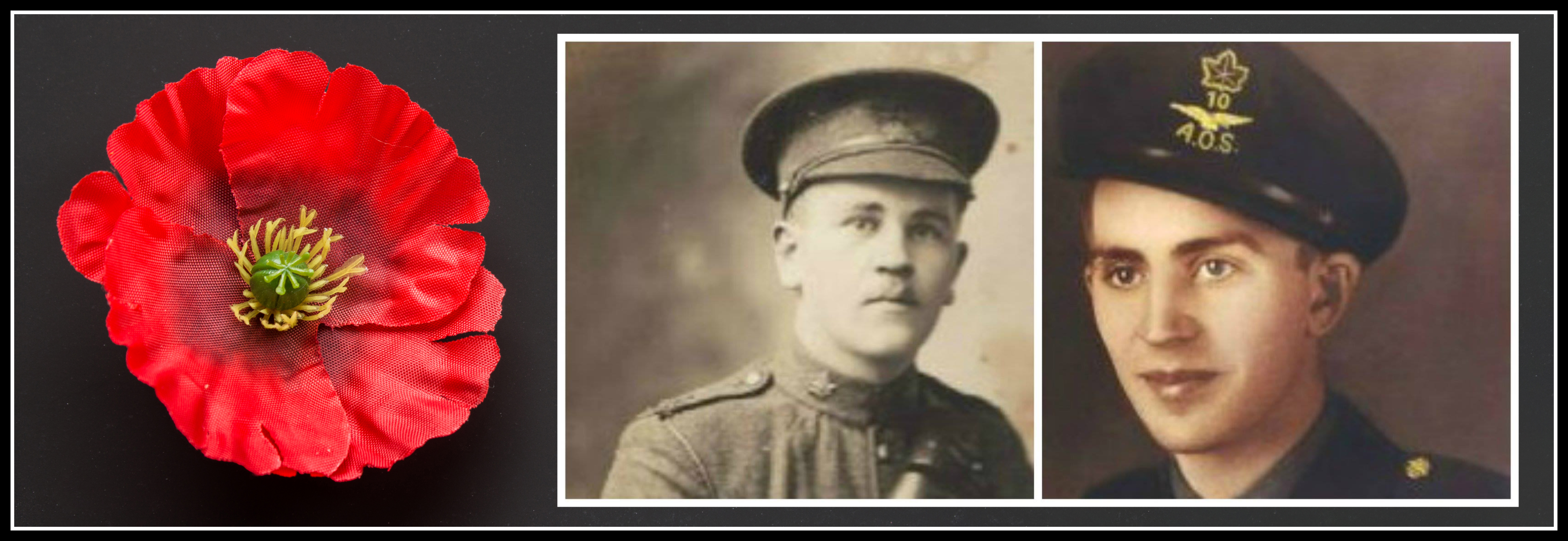
As those who read me know, I speak often of military service, of my family’s involvement, of the deep respect I hold for those who serve and have served. But today, that respect carries a heavier gravity than I can recall feeling in many years. The world we are living in feels as though it is shifting under our feet, and while I cannot fully name what we are on the brink of, I know in my bones that it is frightening. On this Remembrance Day, the meaning of sacrifice feels sharper. Clearer. More urgent. It demands something from us.

I have attended Remembrance Day ceremonies for sixty-six years. I may not remember those very early ones, but I remember every year from the time I was six. I remember my Brownie uniform, my Girl Guide sash, attending beside Air Cadets. I remember laying wreaths for my grandfather, and later for my father. I remember attending ceremonies with my sons, one of whom would later stand in uniform among other serving members. I remember standing there in bitter wind, in snow, in quiet fall sun. Some years I attended with family, but most years I went alone with my children, not as a tradition, but as an instruction. To remember has always been for me a deliberate act. A responsibility.

And yet, somehow, we are forgetting. Some measure that forgetting by how many show up to a ceremony. But attendance alone is not remembrance. If the only day you acknowledge the sacrifices of those who came before us is the day the bugle sounds, then yes, at least you came. But let’s be honest. Let’s be bold. If that is where your remembrance begins and ends, how can you look at what is happening in the world right now and not recognize that the ground beneath us is becoming less stable? That we are, once again, entertaining the same ideologies, the same hunger for division and dominance, that cost millions of lives in the last century?

When I watched the national ceremony today, I forced myself to truly watch and to feel it. To let myself remember that when my father enlisted in 1941, he was eighteen. He stood beside other boys who stepped forward because they understood something we now seem to resist seeing: that freedom is not self-sustaining, democracy is not a given, and peace is not guaranteed. Those boys are few now. Those who remain carry the memory of what happens when hatred, extremism, and power-hunger go unchecked.

Canada lost more than 66,000 soldiers in the First World War. Another 172,000 came home bodily wounded but numbers were not kept for those spirits that were damaged. In the Second World War, we lost 45,000, and 55,000 were wounded. In the Korean War, 516 more. We lost lives in Somalia, in Bosnia, in Afghanistan. And we carry the unseen casualties, trauma, grief, fractured families, the quiet suffering that never makes the history books.

But today, we are witnessing the most horrific disrespect of what they fought for that I could have imagined. Not from some distant villain. But from everyday complacency. From the normalization of authoritarian rhetoric. From the cheering of cruelty as if it is strength. From the casual acceptance of lies, hate, and division, especially from those who claim to “love freedom.”

I find it difficult to reconcile that on a day as sacred to me as Remembrance Day, I have to speak about politics at all. But how can I not? What was fought for is being eroded. And not subtly.

I hate that I speak so often of American politics. I don’t want to. I want the United States to deal with their own chaos while we remain steady here. But we are too geographically, socially, culturally, economically intertwined to pretend their descent into authoritarian celebration does not affect us. And here, within our own borders, we are watching admiration for those very same anti-democratic impulses grow among people who stand under the same flag my father fought to protect.

I do not know what to do with this pain. This fear. This anger. I can list adjectives until the page collapses under them, none of them feel sufficient. What I do know is that Remembrance Day is not just symbolic to me. It is not a cultural performance. It is not background noise between errands. It is sacred. And when the world carries on casually today, shopping, scrolling, rushing, and arguing it feels like a bell ringing that no one hears.

So I wear my poppy intentionally today. Because it is a visible bell. A signal and a reminder that remembrance is not passive. That memory is not nostalgia. That silence is not neutrality.

On my sixty-sixth Remembrance Day, I am asking, no actually pleading that we understand the gravity of the world we are in. That we recognize we are not immune to the forces that tore other nations apart. That we stop comforting ourselves with the myth that Canada is somehow untouchable, incorruptible, insulated by politeness.

Do not show up to a Remembrance Day ceremony if you also cheer for authoritarianism, division, cruelty, or the dehumanization of others. You cannot honour sacrifice while celebrating the very conditions that required it.

I do not want my children, or their children, to live what their grandparents and great-grandparents endured. I am scared.

But remembrance is not about despair. It is about responsibility.

And we still have time to choose who we are.

My Remembrance

Posted: November 6, 2025 in Uncategorized

If you’ve followed my writing for any length of time, you know I go where the truth and the moment lead. Sometimes that means celebration. Sometimes that means politics. Sometimes it means sitting with the weight of memory. Over the next few days, as we approach Remembrance Day, I’ll be sharing a few reflections about service, sacrifice, and the country we are responsible for. I won’t apologize for that. It’s my duty.

Many of us carry stories of war in our family lines, stories that live quietly in the background until something pulls them forward. My family’s story is one of those. My grandfather, Ivan McClure, developed tuberculosis after being gassed in the trenches at Ypres during the First World War. The chlorine gas ravaged his lungs and, eventually, the rest of his life. He spent his remaining years in a Tuberculosis sanatorium, like so many who returned with slow-dying injuries.

But there is something I know now that my father never did. The military records and medical reports from the First World War were not released until after Dad had passed. When I finally saw them myself, one detail struck me so hard I had to sit with it for a while. My grandfather’s feet had begun to rot from the sheer amount of time he had stood in freezing trench water. Not figuratively. Not poetically. His flesh decayed while he was still standing in uniform.

That is two generations behind me. Not distant history. Not ancient trauma. My family. Our country. Our home.

We are not as far from these stories as some would like to believe. And yet, somehow, in all our noise and distraction, we seem to be forgetting.

When Remembrance Day comes, I think of my grandfather fighting to breathe. And I think of his son, my father, Don McClure, heading into the Second World War as a boy who had already seen what war does to a man’s body.

This passage, from my father’s memoir One Rung At A Time, will always remain exactly as he wrote it. His voice deserves to remain untouched: “On the train ride home from Montreal I got permission from my Commanding Officer to leave the train and take a taxi to the hospital to see Dad. He had no inkling that I was going to be there and I know that it was a glimpse of sunshine for him on an otherwise cloudy day. I only stayed for a half hour as it had taken time to get to the hospital and it would take an equal amount of time to get back to the train. After I kissed Dad good-bye, I turned my back on him and walked away. I have often wished I had turned and waved but the scene was getting too emotional for me to handle, compounded by a foreboding that this was a final farewell.”He was right. It was.

All of this, this history, this bloodline of service, has taken on a sharper meaning now that my youngest child serves in the Canadian Armed Forces. When my father wrote his memoir, that wasn’t yet part of our story. I think of how proud he would be. And I also think of how afraid he would be, knowing what war takes and how peace must be guarded.

Those who have served, and those who love someone who does, understand something that isn’t captured in parades or ceremonies. Service isn’t abstract. It is lived in the body. It is separation, sacrifice, risk, and readiness. It is a love of country that is not loud, but carried. And I will say this plainly: As I watch what is happening south of our border, the erosion of democratic loyalty in favour of personal allegiance to a single man, my heart breaks and my blood boils. The oath of service is meant to be to one’s country, not to a king of convenience. We have seen what happens when citizens are asked to serve a person instead of a nation.

There is a myth we hear sometimes, that the United States “saved the world” in both world wars. But I have stood with my family’s records in my hands, and I know better. Canada fought. Canada bled. Canada lost sons and fathers and brothers who never came home, and those who did often came home to suffering, sickness, and silence.

We are a small country, yes. But small does not mean insignificant. We must remain strong. With our allies. With our democracy. With our conscience. We cannot afford to forget who we are.

On Remembrance Day, I wear my poppy for all who served.
For all who serve now. For all who will stand when it is their turn.

We remember so we do not repeat. We honour so we do not diminish. We love this country, so we protect it. Lest we forget.

Budget Showdown

Posted: November 4, 2025 in Uncategorized

Today matters more than most Canadians realize. A federal budget will be tabled today. Not voted on, just tabled. But that act alone carries the weight of what kind of country we want to be. I don’t care which party you usually support, which province you live in, or which language you speak, because none of that matters if we fracture now.

We went through an election six months ago. The last thing Canada needs, on every measurable level, is another one. And yet, I can feel the opportunism creeping in. The political gamesmanship of Pierre Poilievre circling like a shark who smells distraction. But here’s the truth: he has never once offered a real alternative plan. He is all toxin and timing, poisoning every conversation without a single antidote to offer.

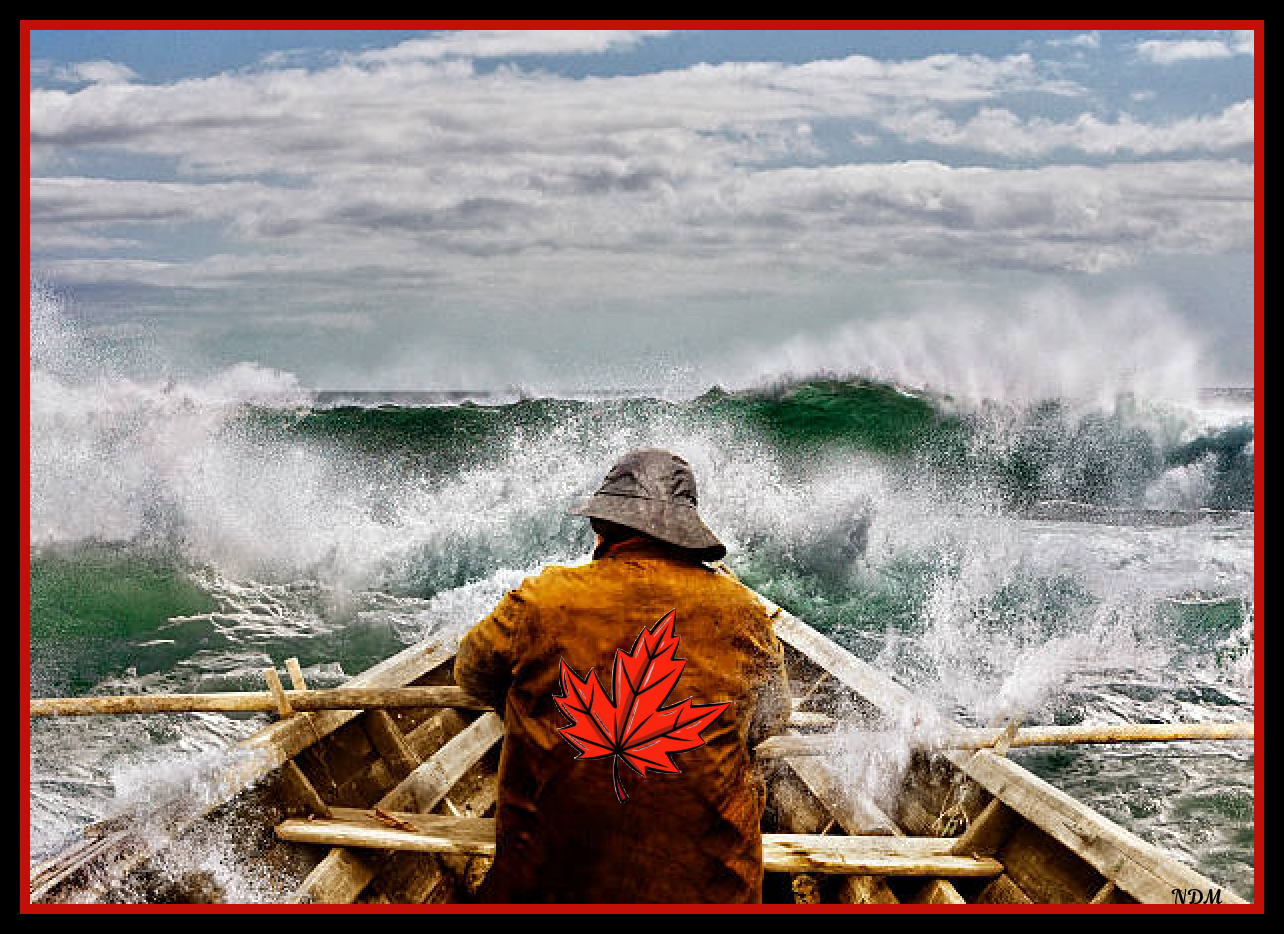
If he were in office today, facing the chaos south of the border, he’d dropped the oars in the water just when we are nearing the shore. His entire worldview depends on rage, not reason, on looking clever in the moment rather than leading through a storm.

Because make no mistake: this is a storm. Globally, economically and politically. And yes, this budget will hurt. It will not be what we want to see. It won’t make everyone happy. But it must spend, to protect Canadian workers, industries, and sovereignty. We cannot “balance” our way through instability any more than we can calm a tempest by pretending it isn’t happening. Sometimes the only choice is to hold steady, face into the wind, and keep rowing toward the far shore.

For those who keep trying to paint Mark Carney as “radical left,” please stop rewriting history. His politics, thoughtful, measured, pragmatic are where most Canadians have always lived: that red Tory, blue Conservative, centrist ground where the country was built. The ideological edges are loud, but the majority of Canadians still believe in balance, competence, and decency.

That’s Carney. That’s the middle ground we stand on.

I grew up in that middle ground, in New Brunswick, in a household where people voted for the person, not the party. My parents believed in integrity, in character, and in service to community. Some years they voted Liberal, some years Progressive Conservative. They never confused loyalty to Canada with loyalty to a party banner. I was raised to believe that good governance means getting your hands dirty solving problems, not shouting about them from a podium.

That’s the spirit I see in this government’s work today, even when it’s hard, even when it’s unpopular.

Because real Canadians, and I mean those working, parenting, caring, and surviving aren’t asking for ideology. They’re asking for stability. They want their electricity and utility bills to stop climbing. They want to be able to afford their rent or mortgage. They want to see their kids get the health care they need, when they need it. They want to put groceries on the table without having to choose between milk and medicine.

That’s what today’s budget will speak to. And that’s why we need to let it stand.

We are not in a normal time. Every global market is shaking. Our closest trading partner is led by a man whose moods can tank industries. The instability in the Americas is not something we can “spin” our way through. It demands strategy, calm, and endurance. And that’s what we have in Carney: not perfection, but purpose. Not flash, but focus.

To anyone thinking another election would “fix” this, please, step back. What it would actually do is rip this country open again. The cost of campaigning might seem political, but the cost of instability is deeply personal. It hits every paycheque, every investment, every piece of infrastructure we can’t finish because we’re stuck in campaign mode instead of governing.

And while the political right might relish the drama of it, the adrenaline of “winning,” Canada itself would lose months, maybe years, of progress.

So yes, today is political. But it is also profoundly patriotic. And to everyone reading this: your voice still matters. Write your MP. Call their office. Tell them that no matter which party they belong to, they have a responsibility to hold this government up, not tear it down. The NDP and Green votes will matter. The Bloc’s choice will matter. And every Canadian watching from home will matter, too, because this moment defines whether we can still govern ourselves like adults in a storming world.

Mark Carney will not emerge from this unscathed. No one could. He must be exhausted, fighting daily battles for a country that too often forgets to thank its leaders until they’re gone. But what strikes me most is that he’s doing it without spewing hate, without dividing, without turning neighbour against neighbour. He understands that when you lead a nation, you represent everyone, not just those who voted for you. So when that budget is tabled today, it will not be a partisan document. It will be a Canadian one. And that, more than anything, is why I’ll stand firmly behind it, bruises, doubts, and all.
Because the only way through this storm is together, gripping the same oars, rowing toward a common shore, no matter how high the waves get.

The Flight of Forever Canadian

Posted: November 4, 2025 in Uncategorized

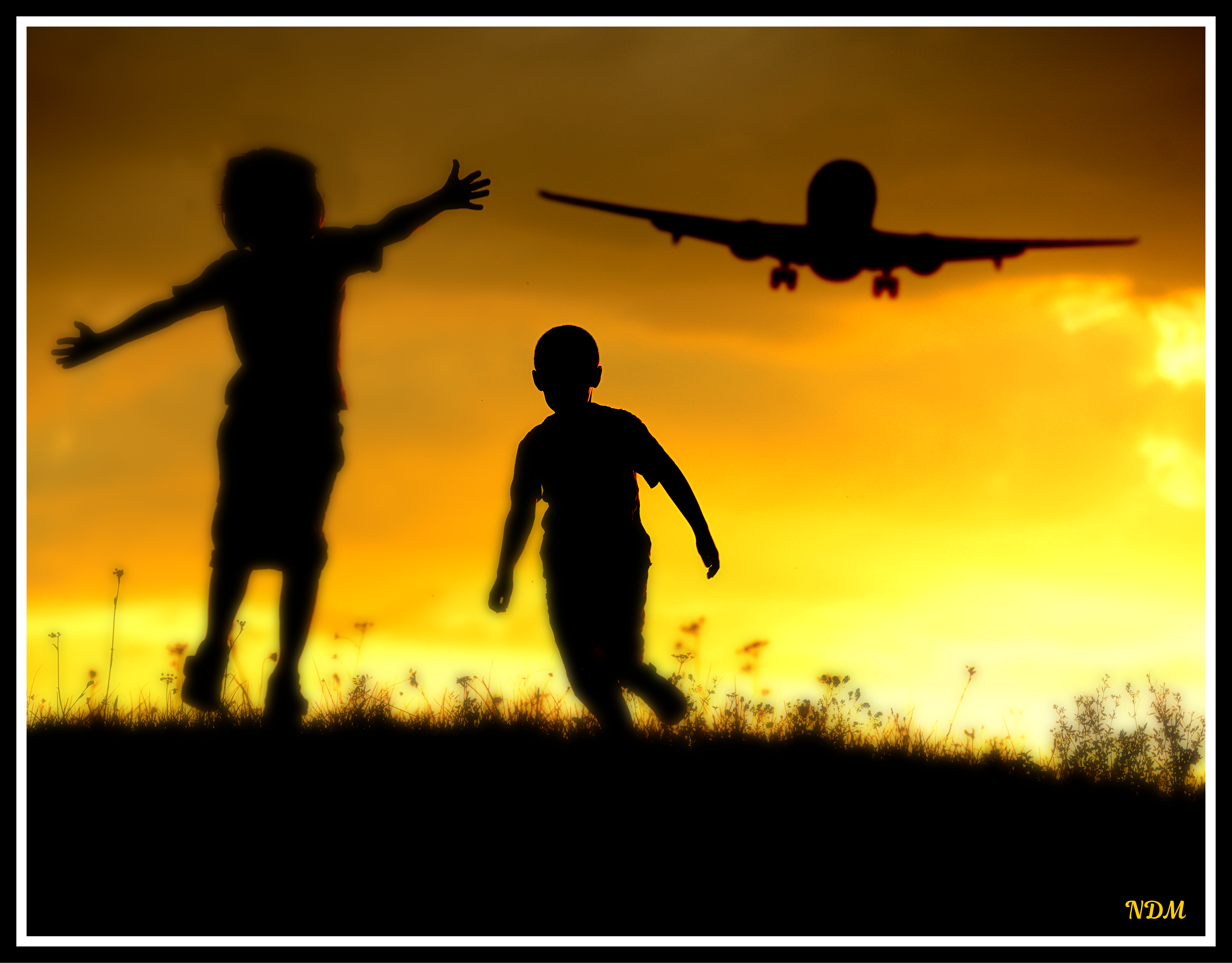
Everyone who knows me knows I have a deep passion for aviation. But what really captures my heart are the stories behind flight, the human ingenuity, the teamwork, the courage to take off when the runway’s still being built. That’s exactly what we did with Forever Canadian. We built an airplane in flight.

When we started, there was no hangar, no tower, no pre-flight checklist. Just a handful of people who believed Alberta could build something bigger than grievance or division. We could build something that could truly soar. And so, out came the tools, the duct tape, the spreadsheets, the coffee, and a whole lot of determination.

Bit by bit, the airplane took shape. The wings were built by farmers, the fuselage by teachers, the landing gear by truck drivers, nurses, retirees, students, and parents. Every rivet, every bolt, every clipboard held by someone in the cold became part of the aircraft.

And while every good airplane needs a captain, (thank you Captain Lukaszuk,) ours also needed an entire flight crew. Dozens of first officers. Hundreds of ground crew. Thousands of passengers. Every single person who signed a sheet, carried a clipboard, or offered encouragement was part of the same flight plan. This wasn’t a solo mission. It was a full flight, every seat occupied by people who believed in something better.

Now, no one said the skies would be calm. We hit turbulence. Sometimes it was a crosswind of misinformation. Sometimes it was a bureaucratic headwind. Sometimes it was the emotional fatigue of just keeping the engines running through wind, rain, and postal strikes. But the beauty of aviation, and of this movement, is that you correct course and adjust altitude. You ride it out. You trust the aircraft, and more importantly, you trust your crew.

And what a beautiful aircraft she turned out to be. Not one of those sleek corporate jets with separate cabins and tinted windows. Ours is the people’s plane, sturdy, bright, full of character, and unmistakably Canadian. Inside, there’s no first class or economy. Everyone sits together. Farmers beside lawyers. Nurses beside truckers. Students beside retirees. The conversation is rich, the laughter is loud, and the sense of purpose is palpable.

When you look out the window of this plane, you see something breathtaking, small towns lighting up with hope, people rediscovering what community really means, strangers becoming friends in the common cause of unity. Every sheet of signatures became a patch of sky we claimed together.

As October 28 approaches, the final day, I can’t help but marvel at how far we’ve flown. The last few days are like the descent into final approach: you feel the shift in cabin pressure, the sense that you’ve crossed something monumental. Most of the crew have already landed their sheets, taxiing them in for tally and inspection so Elections Alberta can do its part. But the aircraft itself? She’s still in motion. She’s gliding on purpose, powered by pride.

To my friends south of the border who sometimes ask, “What can I do?” in their current situation. This is what you can do. You can build something that unites instead of divides. You can take off with people who don’t all share your politics but do share your country. You can stay steady when the air gets rough. Because what we’ve proven here is that a small group of ordinary people can build something extraordinary, something that flies.

As for me, this has been one of the greatest privileges of my life, one of those rare flights you never forget because you know you’ll never fly on one quite like it again. I got to sit in the cockpit of history, right alongside people who cared enough to build something bigger than themselves, with their own hands, their own hearts, and often in some serious headwinds. I’ve never felt more grateful to share a sky with such people, ordinary citizens who became co-pilots, navigators, mechanics, and dreamers.

And yes, there may still be turbulence ahead. Frankly there always is when you fly through real weather instead of sitting safely on the ground. But we’ll keep correcting course, adjusting altitude, and trusting the lift we’ve already created together. Because this aircraft, this Forever Canadian, isn’t just something we built. It’s something that built us. And for that, I am profoundly thankful.

Poolside Chat

Posted: November 4, 2025 in Uncategorized

It’s been a while since I’ve written in my usual way, and there’s a reason for that. Most of my time, heart, and focus have been devoted to the Forever-Canadian Citizen Initiative. But sometimes the world shakes your keyboard and says, “Put the clipboard down, Nancy. Type.”

So here I am, sitting in Mexico, the southern slice of what I call the North American sandwich, surrounded by people from across the U.S., Canada and Mexico. The conversations by the pool drift inevitably toward politics. Some Americans are furious about their leadership, others are numb to it, and some don’t even know anything is different. Most have no idea what’s happening in Canada, except to wonder why we’re upset.

But this morning brought something worth a few keystrokes. The orange buffoon spent the night on Truth Social, searching for a distraction from his gilded ballroom and the latest headlines involving Jeffrey Epstein’s victims, including Virginia Giuffre’s new book. What he found instead was Canada.

Trump claimed that the Ronald Reagan Foundation had “caught” Canada in a $75-million “fraudulent” ad, one that allegedly misused Reagan’s words about tariffs. He ranted that “Canada cheated,” that we’ve “long defrauded the U.S. with 400% tariffs on dairy,” and that our government was trying to “illegally influence” his Supreme Court case.

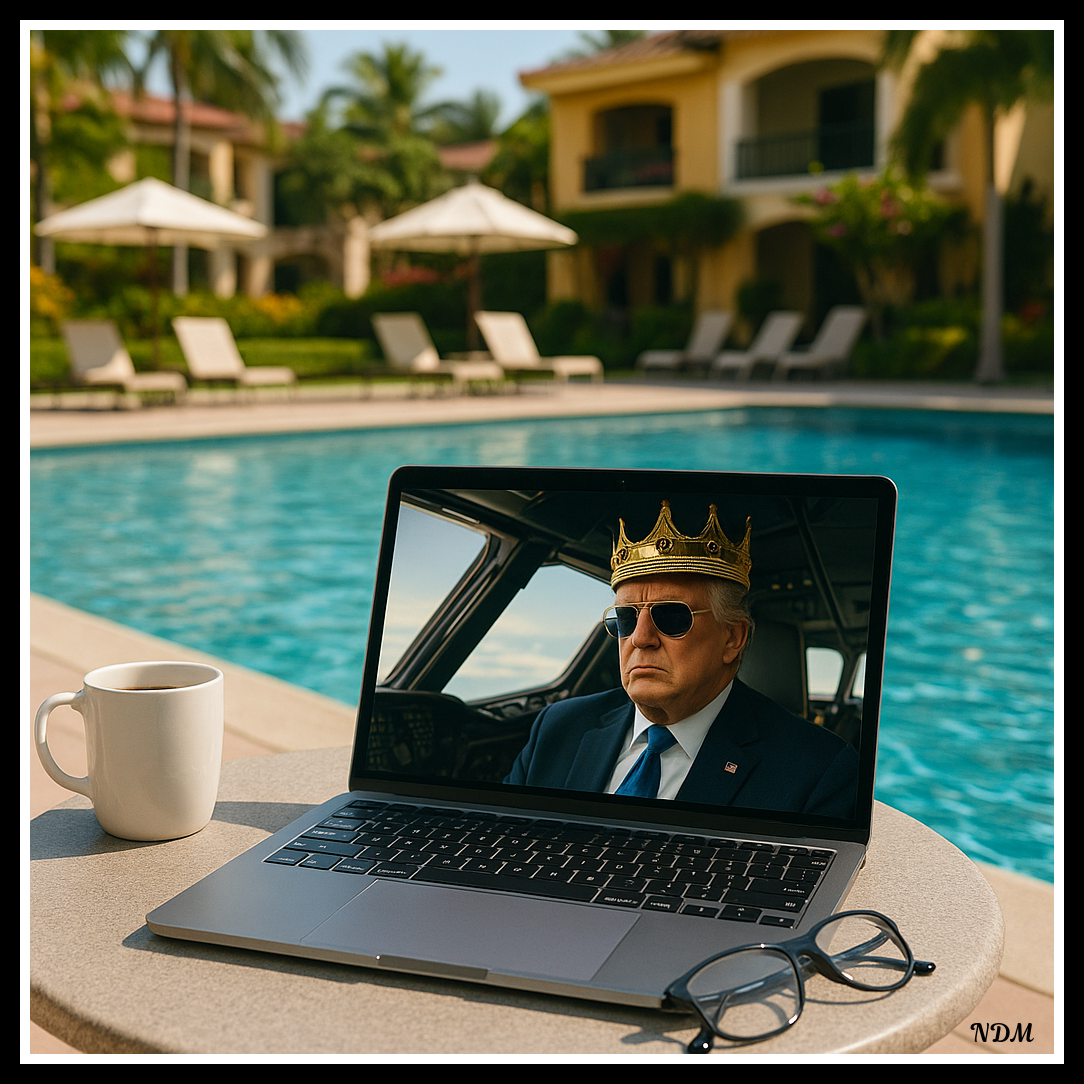
Let’s pause there. The man who regularly steals music, photos, and even faces for his AI campaign videos, including one last week of himself flying a golden jet to Danger Zone while wearing a crown, is suddenly a crusader for copyright law? That’s not irony. That’s self-parody.

This latest tantrum isn’t about Reagan or Canada. It’s about fear. He’s staring down a Supreme Court ruling on tariffs, one that could flatten his economic mythology, and he’s looking for a new villain. He found it north of the border. He’s trying to turn a provincial ad into a federal conspiracy.

Could the ad have overstepped by using Reagan’s image without approval? Possibly. I’m reasonable enough to admit that. If a clip was condensed or spliced out of context, lawyers can sort it out. But let’s not pretend that Donald Trump, who’s spent his entire public life mangling other people’s words, suddenly found religion on ethical editing.

Reagan, for all his faults, valued Canada. He believed in partnership, not punishment. When he talked trade, he spoke of allies, not adversaries. His remarks in that original clip were about Japan, not us, but his message was clear: tariffs are blunt weapons, not strategies. Trump, on the other hand, loves tariffs in a way that has concerns only for his own personal gain.

When the walls close in, whether from courtrooms, creditors, or reality, he grabs a megaphone and a scapegoat. Canada became both. He’s desperate to muddy the waters before the Supreme Court rules, to create just enough noise that if he loses, he can claim it was “rigged.” It’s not strategy. It’s survival instinct.

The tragedy isn’t just his behaviour, it’s the normalization of it. Sitting here by the pool, I hear Americans say, “Oh, that’s just Trump being Trump,” as if pathology were personality and chaos were leadership. The indifference terrifies me more than his words. Democracy doesn’t die with a bang; it dissolves quietly in apathy.

And here’s where the poolside analogy writes itself. Canada and Mexico are like the sturdy pieces of bread, still strong, still holding together, still trying to keep the middle from spoiling. But the middle, the United States under Trumpism, has become the rancid filling. The mayonnaise has gone off. The tuna’s turned. You can smell it from both borders.

And yet we still love our neighbours. We share history, trade, and friendship. We want the sandwich saved, not thrown out. But we can’t pretend the smell isn’t there. When the U.S. turns inward, the world loses balance. When it lashes out, it wounds not just others but itself. The gilded ballroom becomes a bunker, and its golden glow turns toxic.

Back home, we’re far from perfect. But we’re led by a government that still values integrity, international cooperation, and evidence over ego. We debate fiercely, but we still believe in decency. And as John F. Kennedy told our Parliament in 1961: “What unites us is far greater than what divides us, for what geography has joined together, let no man put asunder.”

That’s still true today, even as another American demagogue tries once again to divide us.

So yes, I’ve been quiet for a while, working on something deeply Canadian, rooted in unity and respect. But this morning reminded me why voices matter. The world doesn’t need more silence in the face of absurdity. It needs clarity, compassion, and a little Canadian sarcasm.

So from the poolside in Mexico, the southern crust of this slowly spoiling sandwich, I raise my coffee to the hope that the filling gets fresh again someday. Until then, I’ll just try not to lose my appetite.

Gratitude

Posted: November 4, 2025 in Uncategorized

“As we express our gratitude, we must never forget that the highest appreciation is not to utter words, but to live by them.” John F. Kennedy

Many years ago, I wrote those words at the top of a Thanksgiving post that still lives somewhere deep in my blog archives. I told a simple story about standing in a Walmart checkout line, oversized roasting pan in hand, oversized turkey in cart, and overhearing a man behind me say, “Thank you for the work you do for our community.”

I didn’t know him, and he didn’t have to say it, but he did. And in that moment, I remember how deeply it landed. I had been through a few rough weeks with what felt like more criticism than kindness in the air. That man’s words stopped me short and reminded me why gratitude matters most when things are messy, not perfect.

That was eleven years ago. Gratitude was something I was learning then. Today, it’s something I live. It’s no longer a theory or a virtue on a poster, it’s the quiet awareness that shapes my mornings and softens my nights. It’s what steadies me when life comes apart at the seams and humbles me when it doesn’t.

At this stage of life, gratitude looks different. It’s smaller, simpler, and yet somehow deeper. I’m grateful that I wake up most mornings feeling healthy. I’m grateful that not a single ambulance has pulled into our driveway in many months, and that sentence, in our house, carries more weight than anyone might guess.

I’m grateful for my husband’s strength, for two sons who have found their paths and their purpose, for a daughter-in-law who fits seamlessly into our family, and for a little granddaughter whose laughter can erase any bad day I’ve ever had.

And I am even grateful, in a way I never expected, for the care and compassion being shown to my sister as she faces one of life’s most difficult roads. It’s not easy to witness, but I find comfort in knowing she’s being treated with dignity and love, something that reminds me, again, how fortunate we are to live in a country that still believes healthcare is a human right.

That’s the kind of gratitude that sneaks up on you. The kind that isn’t tied to success or celebration, but to survival and grace.

When I wrote that first post, I was living in a small town in Alberta juggling meetings, community events, and political debates. I thought I understood gratitude because I had a full plate. What I didn’t realize then was that fullness isn’t the same as fulfillment. Gratitude isn’t measured by what you achieve or acquire; it’s in what you notice.

It’s the small mercies that hold the big moments together.

And as Canadians, we mark that differently than our southern neighbours. Our Thanksgiving is earlier, quieter, simpler. We gather around tables that might not have every trimmings-laden dish, but they’re rich with conversation, with shared stories, with the comfort of being together. It’s not about travel or shopping or consumption, it’s about connection.

Even with the cost of food these days, families still find a way to make the table feel full. And I think that says something about us, that gratitude in Canada has never been about abundance. It’s about belonging.

This year, I’m also grateful to be part of something I couldn’t have imagined back then: a citizen-led effort called Forever Canadian. It’s about unity, about holding this country together, and about the quiet pride that comes from giving back to the place that has given so much to me.

And I’m grateful that I live in a country where we can do this, where ordinary citizens can organize, speak, gather signatures, and work toward something we believe in without fear. We may not agree on every issue, but we still have the freedom to engage, to participate, and to care out loud. That’s no small thing in today’s world.

Gratitude doesn’t mean everything is easy. Far from it. It just means we don’t lose sight of what’s still good, what’s still worth fighting for, what still makes this life beautiful.

So today and each day I’ll give thanks for the obvious things, health, family, laughter, the smell of good food cooking but also for the harder things: the lessons disguised as challenges, the moments of patience I didn’t think I had, the quiet resilience that comes with age and experience.

And I’ll give thanks for all the people who keep showing up, in my life, in my work, and in my country. For those who choose hope over cynicism, kindness over cruelty, unity over division.

Eleven years later, I still believe what I wrote back then: gratitude isn’t about pretending life is perfect. It’s about knowing that even in the imperfection, there is still light, still meaning, still joy.

And if I’ve learned anything since that Walmart checkout line, it’s that gratitude is less about the words we say, and more about how we choose to live them.

Still grateful. Still Canadian.

Hard to watch…

Posted: September 17, 2025 in Uncategorized

So, apparently we’re all supposed to swoon over the optics of this U.S.–U.K. royal handshake tour. Cue the bagpipes, the Union Jacks, the slow-motion footage of motorcades rolling through London, and Donald Trump trying to look statesmanlike next to King Charles. But let’s be clear: there is no ideological love story here. Charles has spent his life talking about climate action, biodiversity, and international development. Trump… well, Trump tears up agreements, mocks science, and measures success in applause counts. Oil and water.

Yes, the photos will show them smiling. Maybe Charles even puts a hand on Trump’s back. But don’t be fooled: that’s not friendship, it’s choreography. The monarchy survives on ritual, not on personal chemistry. This visit is about protocol and geopolitics, not mutual admiration. It’s Britain trying to keep the “special relationship” on life support while its own citizens wave placards outside the palace gates.

Do I like it? Not even a little. I hate watching the pomp used to burnish Trump’s ego. I don’t want the red carpet rolled out for him. I don’t want anything that makes him look good. I don’t want anything that feeds his ego, because it’s exactly what he craves, the optics of respectability. Right now, he’s not getting that from his supposed friends. Putin’s busy, Xi Jinping is recalculating, Kim Jong Un is playing his own games. So this visit, with its royal backdrops and ceremonial salutes, becomes the next best hit of validation. It’s the kind of spectacle that soothes a bruised ego.

However the palace knows how to choreograph a spectacle. But even amid all the pageantry, we shouldn’t forget Queen Elizabeth’s own quiet steel. She was famously courteous yet famously shrewd, and she didn’t suffer fools. Whatever else can be said, her meetings with Donald Trump were marked by a polite frostiness that spoke volumes.

And hidden away, out of sight, is another uncomfortable truth: you won’t see Prince Andrew sidling up to Trump for a chat about Epstein. That photo op won’t happen. Andrew is kept far from public view for a reason. The royal family is ruthlessly careful about who appears where and when. They know exactly how toxic certain images would be.

Here’s the geopolitical kicker: these three countries, the U.K., Canada, and the U.S. were once united allies, the dependable triangle of Western democracy. Today it’s only two of them. Canada and Britain still stand for the rules-based order, climate responsibility, and alliances. The U.S., under Trump, has drifted into transactional nationalism, tariffs, and thinly veiled contempt for its oldest partners. That’s the unspoken tension behind every handshake photo and parade step this week. The monarchy and Britain have to do what they have to do. But let’s not confuse duty with devotion.

Still, there’s a part of me hoping for one unscripted moment. My fantasy? King Charles leans in and says, “Mr. President, just a reminder: Canada’s still part of our Commonwealth and not for sale.” Or maybe he sneaks in a gentle lecture about climate change. But I won’t hold my breath. This visit is survival, not solidarity. It’s ritual, not rapprochement. It’s the monarchy protecting itself, not endorsing Trumpism.

What makes this so frustrating to watch is that it feels designed to fool people who only see headlines. “Look, King Charles and President Trump smiling together!” It’s as if that means anything. You can practically hear the stage directions: “Cue the cavalry horses, cue the trumpets, cue the handshake.” Meanwhile the British public, the bulk of whom have nothing positive to say about the current president of the United States, look on with a mix of resignation and protest.

Maybe it’s petty and childish of me, but I wish this weren’t happening. I wish the crown could simply say, “No thanks, not this time.” But monarchies don’t get that luxury. They live and die by symbolism and continuity. And so we’re stuck with the show.

Bottom line: don’t mistake a royal welcome for a royal endorsement. In just a few days Trump will be back to the same controversies and court cases and questionable allies he arrived with.

The red carpet may hide the dirt, but it can’t scrub off the footprints of history, and no handshake, crown or trumpet blast will ever make Donald Trump look kingly.

Not everyone can be my hero…

Posted: September 12, 2025 in Uncategorized

In the past couple of days I’ve been thinking hard about the kind of people we choose to elevate as leaders, influencers, or “truth tellers.” Not just in politics but in every sphere where public words can either heal or harm.

Too many public voices today frame compassion as weakness, diversity as tokenism, facts as optional, and even the loss of innocent lives as an acceptable “price” for certain rights. I believe the opposite. The people I admire, the ones I consider heroes, hold empathy at the core of their being. They see diversity as strength, facts as non-negotiable, and human life as sacred, never expendable.

I want to live in a world where you step onto an airplane and feel equally safe and confident regardless of the pilot’s skin colour, accent, or gender, because skill has no ethnicity, safety has no gender, and professionalism speaks louder than prejudice. Captain Chesley “Sully” Sullenberger, who landed his disabled Airbus safely on the Hudson River, once said: “The airplane doesn’t know what colour the pilot is.” Exactly. I want to live in a world where women can choose not to marry or not to have children, and be respected, and where men can be stay-at-home parents without ridicule. A world where family roles aren’t assigned at birth but chosen freely, and where dignity is not tied to traditional stereotypes. I want to live in a world where people can live openly as their authentic selves, where sexual orientation and gender identity are not hidden but celebrated, and where the younger generation of my friends can stand proudly in who they are without fear of losing jobs, housing, or community. Seeing that shift in my own lifetime gives me hope. I want to live in a world where rights are designed to protect life, not to justify its loss. Some public voices say a few gun deaths each year are a fair trade for broad gun rights. I believe human life is sacred, not expendable. We should ask harder questions about public safety before more families grieve. I want to live in a world where faith inspires compassion rather than control, where no religion claims to own morality, and where power is used to serve, not dominate.

These aren’t radical ideas. They’re the opposite of cynicism. They’re what empathy looks like applied to real life. Some people demand admiration while building a smaller, crueler world; my admiration goes to those building a larger, kinder one.

And it’s not soft. It’s not weakness. It’s discipline. It’s courage. And it’s at the heart of every real social advance we’ve made. Think of how far we’ve come in just a few generations: Women winning the right to vote and control their own destinies, families reshaping roles so a man can be a stay-at-home parent without ridicule, people able to love who they love without government interference, that we can break down barriers so that talent and skill, not gender or race, open doors in workplaces, classrooms, and cockpits alike.

We can still debate. We should debate. A healthy democracy thrives on disagreement. But when debate becomes dehumanization, and dehumanization becomes policy, the social fabric tears. We start seeing each other as enemies instead of neighbours.

This reflection didn’t come out of nowhere. It comes from watching, in real time, how easily cruelty and mockery can be rewarded, how words thrown around on talk shows, podcasts, or social media aren’t just noise but can shape real-world violence. Vitriol may seem like entertainment, but it sets the conditions for tragedy.

We can disagree without dehumanizing. We can argue policy without promoting ideologies that harm. Because not every idea is just “different”, some ideas are designed to strip rights, erase people’s dignity, and make violence seem inevitable. We have to name that and refuse to amplify it.

So what I want to lift up right now is not tragedy, not outrage, but the strength of empathy, authenticity, and courage, the quiet revolution of people living their values and moving us forward without violence and without stripping others of their humanity.

Because words matter. Ideologies matter. They can take lives or they can save them. And if we don’t hold leaders, influencers, and ourselves to that standard, we’re not just pausing progress, we’re rolling it back. I will always choose to honour people who build a compassionate world, not those who promote division. Yes, I’ve been thinking about this a lot in the past few days…

September 11

Posted: September 11, 2025 in Uncategorized
Tags: , , , ,

Twenty-four years. I remember every moment.

I had just sent my older son off to school. My younger one was a toddler, wandering around the kitchen while I stood at the island with paperwork spread everywhere, the TV set propped on the counter. And then the news alert saying the first tower was hit. Like everyone else, I was watching when the second was hit. I didn’t sit down. I just stood there, trying to keep my little one occupied, trying to absorb something that would change all of us forever.

My dad was still alive then. I called him from Calgary, his voice steady from New Brunswick, but we both knew this was different. He was a man who lived by service, signing on with the Royal Canadian Air Force in 1941, then dedicating his life to his community and volunteerism. We spent much of that day talking and processing what we had seen and heard. That day reminded me just how fragile the world could be, and how deeply our choices matter. The loss of innocence for the generation before me was the Second World War. For me, it was September 11, 2001.

My sister and her husband live in Gander, Newfoundland and like most of the community opened their hearts when the planes arrived. My brother in law was an air traffic controller, but more importantly a very active member of his community. And that small community of fewer than 10,000 took in almost 7,000 stranded passengers. If you don’t know that story, you don’t know one of the proudest chapters in Canadian history. They fed, housed, clothed, and comforted complete strangers. They showed the world what it means to be human.

That day was also a reminder of the Canada–U.S. relationship. In modern history, outside of the Second World War, there has been no moment when we stood more firmly with our American friends. We didn’t hesitate. Because geography placed us side by side, but history, sacrifice,and human decency kept us there.

It was John F. Kennedy, speaking in Canada’s House of Commons in 1961, who said it best:

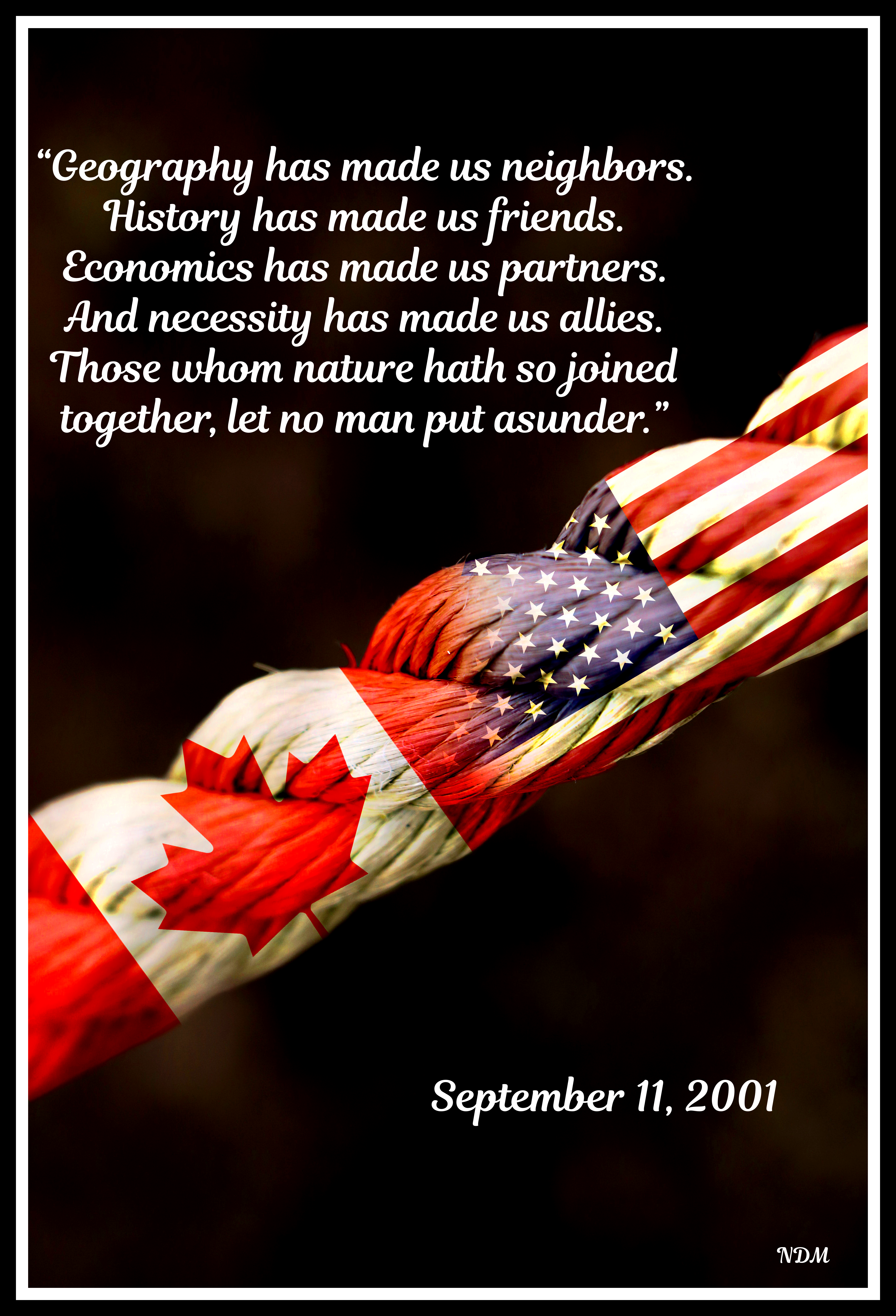
“Geography has made us neighbors.
History has made us friends.
Economics has made us partners.
And necessity has made us allies.
Those whom nature hath so joined together, let no man put asunder.”

That is what I hold onto today. Because I look at where we are now, at the toxic politics, at the self-serving narcissism of one man determined to tear countries apart rather than bring them together, and I think: my God, what a loss. The Department of War is not strength. Defense is strength. Community is strength. Humanity is strength.

For those too young to remember 9/11: this isn’t about the loss of shampoo bottles in your checked luggage or the inconvenience of airport security lines. It’s about the moment when thousands of lives were ended in real time, on live television. It’s about the day when every school teacher in North America looked at their classroom differently, wondering how to explain the unexplainable to terrified children. It’s about the trauma imprint, on parents, on kids, on communities, that still lingers close to a quarter century later.

I think of my own children and how that fear landed in our home. The phone calls to family. The way the air itself felt heavier. The stunned silence on streets and in the grocery store. I believe as I speak these words, I can still feel what it felt like. And as I write, I try to honour both the factual pieces of that day and the raw human pieces of how we felt.

That is why Gander matters. That is why our shared history matters. We rose to support our American neighbours not because of politics, but because of humanity. Because Canadians understood instinctively that the border was invisible when people were in need. And we acted on it.

And yet, walking through every single day now, watching the constant erosion of our shared ideals, the loss of that relationship between the United States and Canada feels even more hurtful. The U.S. once needed and wanted the world’s help. Now, under leaders who confuse bravado with strength, it acts as though it doesn’t. That breaks something in me. Because for all our differences, for all our arguments, the bond forged in tragedy should have been unbreakable.

But bonds only hold if we choose to honour them. The lesson of September 11th isn’t just about vigilance; it’s about unity. It’s about ordinary people doing extraordinary things in the face of fear. It’s about our country who opened its arms to stranded strangers and made them neighbours.

I miss being able to call my dad to talk about the things going on in our world, to hear what he would say. And yet, I’m also glad he isn’t here to see the anger and division that have followed. What I know is this: there are still people fighting for our country, not with weapons, but with words, service, and courage. They are the counterweight to war. The living proof of Kennedy’s words.

We say we will never forget. And we shouldn’t. Because forgetting isn’t just about losing memory; it’s about losing ourselves. And if September 11th taught me anything, it’s that the opposite of fear is not comfort, but action.

On that day, our innocence shattered, but our humanity showed. Today, our politics are bitter, but our capacity for decency still exists. It’s up to us to defend it, fiercely, to make sure geography and history continue to bind us, and to refuse to let any man, no matter how powerful, put it asunder.